October 20, 2026
Why Should Healthcare Professionals Get Hyperbaric Chamber Certification?
1.3k
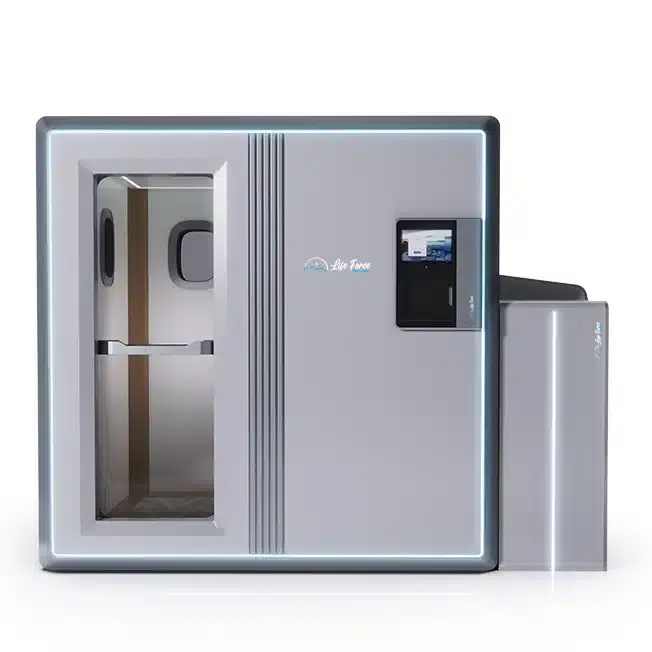
Healthcare continues to evolve as new technologies and treatment methods become available. Hyperbaric oxygen therapy (HBOT) has gained attention for its role in treating certain medical conditions under professional supervision. As more healthcare facilities explore this therapy, trained personnel play an essential role in maintaining patient safety and delivering appropriate care.
Hyperbaric chamber certification helps healthcare professionals develop the knowledge and practical skills needed to work with hyperbaric equipment. It can also improve their understanding of chamber operations, safety procedures, patient monitoring, and emergency protocols. For professionals who want to expand their expertise, certification offers a structured way to learn about this specialized field.
What Is Hyperbaric Chamber Certification?
Hyperbaric chamber certification refers to specialized education and training that prepares eligible professionals to work with hyperbaric oxygen therapy equipment and related clinical procedures. Depending on the program, training may cover chamber operations, pressure management, oxygen safety, patient preparation, and emergency response.
Healthcare professionals must understand how hyperbaric environments differ from standard clinical settings. Increased pressure and oxygen concentration create specific safety considerations that require proper training and careful supervision.
Certification requirements vary by provider, profession, jurisdiction, and job responsibilities. Therefore, candidates should choose a recognized program that matches their qualifications and intended role.
Why Is Hyperbaric Chamber Certification Important for Patient Safety?
Patient safety should remain the top priority in every healthcare environment. Hyperbaric oxygen therapy involves specialized equipment and operating procedures, so healthcare professionals need appropriate preparation before performing assigned duties.
Training helps professionals recognize potential risks, follow established protocols, and respond appropriately to unexpected situations. They learn why staff must check equipment, assess patient readiness, monitor treatment sessions, and communicate clearly throughout the process.
Fire prevention also plays a major role in hyperbaric safety because oxygen-rich environments can increase fire hazards. Professionals must follow strict rules concerning approved clothing, prohibited materials, equipment compatibility, and ignition sources.
Through structured education, staff members can develop a stronger safety mindset and support consistent practices across their facilities.
How Can Hyperbaric Technician Certification Improve Career Opportunities?
Healthcare professionals often look for ways to strengthen their qualifications and explore specialized career paths.
Hyperbaric technician certification can help eligible candidates demonstrate their knowledge of chamber operations and safety procedures.
Depending on their previous experience and the employer's requirements, certified individuals may pursue opportunities in hospitals, wound care centers, hyperbaric clinics, and other facilities that provide hyperbaric services.
This training may also help existing healthcare employees prepare for additional responsibilities. For example, a nurse, respiratory care professional, or other qualified healthcare worker may benefit from learning how hyperbaric treatments operate within an appropriate clinical framework.
However, certification alone does not guarantee employment, professional licensure, or authorization to perform every clinical task. Employers may require additional qualifications, practical experience, supervised training, or specific credentials.
What Skills Can Healthcare Professionals Develop Through Certification?
A quality training program combines theoretical knowledge with practical learning wherever appropriate. It helps participants understand how hyperbaric facilities operate and how staff members contribute to safe treatment delivery.
Important skills may include:
- Chamber operation: Understanding equipment controls, operating procedures, and manufacturer instructions.
- Patient preparation: Learning how staff prepare patients and explain treatment procedures.
- Safety management: Recognizing oxygen-related hazards, fire risks, and contraindications that require clinical assessment.
- Patient monitoring: Understanding observation requirements and recognizing changes that need immediate attention.
- Emergency response: Learning established procedures for equipment problems, patient concerns, and other unexpected events.
- Communication: Coordinating with physicians, nurses, technicians, and other members of the healthcare team.
- Documentation: Maintaining accurate treatment records and following facility policies.
These skills help healthcare professionals perform their assigned duties more confidently while respecting clinical protocols and professional boundaries.
How Does Certification Help Healthcare Facilities Maintain Quality Standards?
Healthcare facilities need consistent procedures to support reliable service delivery. When staff members receive appropriate training, they can follow standardized workflows and understand their individual responsibilities.
Hyperbaric chamber certification can support staff development by introducing important operating principles and safety expectations. Facilities can use this training alongside internal policies, equipment-specific instruction, competency assessments, and continuing education.
Trained staff members may also help identify maintenance concerns, report equipment irregularities, and communicate safety issues before they affect treatment delivery.
Facility managers should remember that certification does not replace equipment maintenance, clinical governance, regulatory compliance, or ongoing supervision. Instead, it can form one part of a broader quality management strategy.
Who Should Consider Hyperbaric Technician Certification?
The right candidates depend on the training provider's eligibility criteria and the responsibilities they intend to undertake.
Healthcare professionals who may benefit include:
- Nurses working in specialized treatment settings.
- Respiratory care professionals seeking additional technical knowledge.
- Qualified healthcare workers entering hyperbaric services.
- Technicians responsible for chamber operation and routine safety checks.
- Clinical support personnel involved in patient preparation and treatment coordination.
- Healthcare managers responsible for staff training and facility procedures.
Individuals should review program prerequisites before enrolling. Some courses accept a wider range of healthcare workers, while others require specific clinical qualifications or prior experience.
Anyone planning to work in a hyperbaric facility should also confirm the licensing, certification, and supervision requirements that apply to their intended position.
How Can You Choose the Right Hyperbaric Chamber Certification Program?
Selecting a suitable training program requires more than comparing course prices. Candidates should evaluate the curriculum, instructor qualifications, practical components, and relevance to their professional goals.
Consider these important factors before enrolling:
- Review the curriculum. Choose a program that covers chamber safety, operating procedures, patient monitoring, emergency response, and other topics relevant to your intended role.
- Verify recognition. Check whether employers, professional organizations, or applicable regulatory bodies recognize the credential. Ask the provider to explain the certification's scope and limitations.
- Check practical training. Hands-on instruction, supervised practice, and competency assessments can help participants apply theoretical knowledge in appropriate settings.
- Confirm eligibility. Make sure the course accepts your professional background and meets any prerequisites for your desired position.
- Understand ongoing requirements. Ask whether the credential requires renewal, refresher training, continuing education, or additional workplace assessments.
- Compare the overall value. Evaluate course fees, training duration, learning resources, instructor support, and the practical skills included.
Hyperbaric Business Solutions can be considered when researching hyperbaric education and industry-related services. Before selecting any provider, candidates should verify its current offerings, instructor credentials, and the recognition of any certification it provides.
Does Hyperbaric Chamber Certification Support Professional Development?
Professional development requires continuous learning, especially in specialized healthcare environments. Certification can help professionals build foundational knowledge, understand emerging safety practices, and prepare for additional responsibilities.
It may also improve communication between team members by giving them a clearer understanding of hyperbaric terminology, operating procedures, and patient safety expectations.
After completing a course, professionals should continue learning through workplace orientation, supervised experience, refresher education, and relevant professional development activities. They should also follow updated manufacturer guidance and applicable clinical standards.
Healthcare employers can support this process by offering regular competency reviews and encouraging staff members to report concerns without delay.
What Should You Know Before Enrolling in a Certification Course?
Before investing in training, establish your career goals and determine which responsibilities you want to pursue. A chamber operator may need different training from a nurse who provides clinical care or a physician who evaluates patients for treatment.
Ask the provider for a detailed course outline, assessment requirements, practical training arrangements, and information about the credential awarded. Confirm whether the course prepares you for a specific role or simply provides introductory education.
You should also understand that hyperbaric oxygen therapy is appropriate for certain established medical indications, not every health concern. Certification teaches professional knowledge and safety practices; it does not establish that a treatment will benefit every patient.
Hyperbaric Business Solutions can serve as a starting point for exploring relevant industry information and professional training options, provided you independently verify the suitability and recognition of each program.
Why Should You Make Hyperbaric Training Part of Your Career Plan?
Hyperbaric chamber certification can help healthcare professionals strengthen their technical knowledge, understand essential safety procedures, and prepare for specialized responsibilities. It can also support healthcare facilities as they train staff, standardize workflows, and maintain high standards of patient care.
By pursuing suitable training and continuing to develop their skills, professionals can build a stronger foundation for working in hyperbaric environments. The best approach combines an appropriate certification program with relevant qualifications, practical experience, workplace supervision, and a commitment to patient safety.
Ultimately, hyperbaric technician certification should represent more than a credential on a résumé. It should reflect a professional commitment to responsible equipment operation, effective teamwork, continuous learning, and safe, evidence-based healthcare.