October 20, 2026
Is a Hyperbaric Oxygen Chamber Safe for Regular Use?
1.3k
A
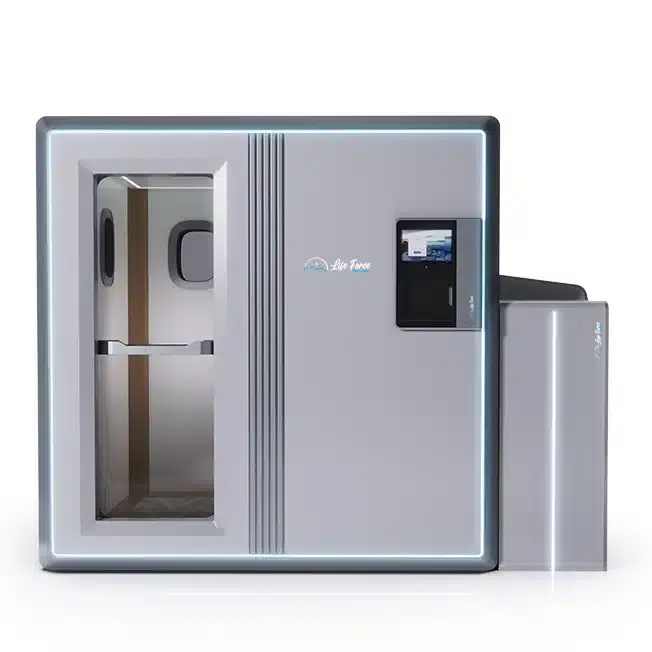
hyperbaric oxygen chamber is a specialized medical device that allows a person to breathe oxygen in an environment with pressure higher than normal atmospheric pressure. This treatment, known as hyperbaric oxygen therapy (HBOT), helps increase the amount of oxygen dissolved in the blood. The body can then deliver more oxygen to tissues that need it.
Healthcare professionals use hyperbaric oxygen therapy for certain medical conditions, including decompression sickness, carbon monoxide poisoning, and selected wounds that do not heal properly. However, the treatment does not suit every condition, and doctors must assess each patient's needs before recommending it.
Many people explore regular hyperbaric oxygen therapy because they want to support recovery or address specific health concerns. Although the treatment offers proven benefits for certain conditions, its safety depends on the patient's medical history, treatment goals, chamber type, and supervision.
Is a Hyperbaric Oxygen Chamber Safe for Regular Use?
A hyperbaric oxygen chamber can be safe for regular use when a qualified medical professional recommends the treatment and a trained team follows established safety procedures. However, frequent sessions do not automatically provide better results. Patients should follow an individualized treatment plan instead of choosing a schedule without medical guidance.
During a session, the patient enters a pressurized chamber and breathes oxygen according to the prescribed protocol. Medical staff monitor the treatment and help manage potential complications. The number of sessions depends on the condition being treated and the patient's response.
For example, some approved medical treatments require repeated sessions over several days or weeks. Doctors determine the appropriate frequency, pressure, and duration based on clinical evidence and individual needs.
Before starting treatment, patients should discuss their medical history, current medications, previous ear or sinus problems, and any conditions that could affect their ability to tolerate pressure changes. This assessment helps healthcare professionals identify potential risks and determine whether HBOT is appropriate.
What Are the Potential Benefits of Regular Hyperbaric Oxygen Therapy?
Hyperbaric oxygen therapy can support treatment for specific medical conditions by increasing oxygen availability in body tissues. Its benefits depend on the diagnosis and the treatment protocol.
Some established medical uses include:
- Supporting wound healing: HBOT can help selected patients with difficult-to-heal wounds when clinicians consider it appropriate.
- Treating decompression sickness: Medical teams use hyperbaric oxygen therapy to manage certain diving-related pressure injuries.
- Managing carbon monoxide poisoning: HBOT may be appropriate in selected cases, depending on the severity and clinical assessment.
- Addressing certain radiation injuries: Specialists may recommend the treatment for specific tissue injuries caused by radiation therapy.
- Treating selected infections: HBOT can serve as an additional treatment for certain serious infections when a medical team recommends it.
Patients should understand that these benefits do not mean HBOT treats every illness. Evidence varies across conditions, and some advertised benefits remain unproven. People should avoid replacing established medical care with hyperbaric oxygen therapy without consulting their healthcare provider.
What Risks and Side Effects Should You Know About?
Although medical professionals can manage many risks, hyperbaric oxygen therapy is not completely risk-free. Understanding possible side effects helps patients make informed decisions about regular sessions.
Common or recognized risks include:
Ear and sinus pressure injuries: Changes in chamber pressure can cause discomfort or damage to the ears and sinuses, particularly when a patient cannot equalize pressure properly.
Temporary vision changes: Some patients experience temporary changes in eyesight, including increased nearsightedness, after repeated treatments. These changes often improve after treatment ends, although recovery varies.
Oxygen toxicity: Exposure to high oxygen concentrations under pressure can cause oxygen toxicity. In rare cases, this can trigger seizures or other serious complications.
Claustrophobia: People who feel uncomfortable in enclosed spaces may experience anxiety during treatment.
Lung-related complications: Pressure changes can cause serious problems in people with certain lung conditions, including an untreated pneumothorax.
Fire hazards: Oxygen supports combustion, so hyperbaric facilities must follow strict fire-prevention procedures. Patients must avoid prohibited items and follow all clothing and equipment requirements.
Patients should tell their treatment team about new symptoms before another session. Chest discomfort, significant breathing difficulties, severe ear pain, or neurological symptoms require prompt medical assessment.
Who Should Avoid Hyperbaric Oxygen Therapy or Seek Medical Advice?
Not everyone can safely receive hyperbaric oxygen therapy. An untreated pneumothorax, which occurs when air collects around a lung and causes it to collapse, is a major contraindication to HBOT.
Other conditions require careful evaluation. These may include certain lung diseases, difficulty equalizing ear pressure, recent ear surgery, uncontrolled fever or seizure disorders, and some medications that can interact with hyperbaric treatment.
Pregnancy, a history of specific cancer treatments, and other complex medical circumstances may also require individualized assessment. The appropriate decision depends on the clinical situation rather than a general rule that applies to everyone.
Patients should provide their healthcare team with a complete medication list and disclose any implanted devices or relevant medical history. A qualified clinician can determine whether treatment is appropriate, whether additional precautions are necessary, and how frequently sessions should occur.
How Can You Prepare for Safe and Regular Chamber Sessions?
Preparation plays an important role in reducing avoidable risks. Patients should follow the instructions provided by their hyperbaric facility before every appointment.
Consider these essential precautions:
- Complete a medical assessment: Discuss your diagnosis, medications, allergies, and relevant medical history with a qualified clinician.
- Follow the prescribed schedule: Attend only the recommended sessions and avoid increasing treatment frequency independently.
- Wear approved clothing: Follow facility rules about clothing, footwear, personal care products, and other items entering the chamber.
- Report discomfort immediately: Inform the operator about ear pain, breathing difficulties, anxiety, or other unusual symptoms during treatment.
- Follow pressure-equalization guidance: Use the techniques recommended by the clinical team to help protect your ears and sinuses.
- Attend follow-up appointments: Your clinician can assess your progress, review side effects, and determine whether treatment should continue.
These precautions help patients approach HBOT responsibly while allowing healthcare professionals to monitor its effectiveness and safety.
What Should You Check Before Exploring Hyperbaric Chambers for Sale?
People researching
hyperbaric chambers for sale should evaluate safety, intended use, and professional support before making a purchase. A chamber designed for a hospital or medical facility may differ significantly from a product marketed for personal or home use.
Start by identifying the type of chamber and its intended purpose. Confirm whether the equipment is designed for the specific treatment you need and whether its regulatory status supports that use in your location.
Next, review the manufacturer's documentation, pressure specifications, oxygen-delivery system, emergency procedures, maintenance requirements, and available technical support. Ask about operator training and the availability of qualified professionals who can assess whether the treatment is medically appropriate.
Buyers should also understand that owning a chamber does not replace medical supervision. Home-use equipment may not provide the same pressure levels, oxygen delivery, monitoring, or clinical capabilities as a medical-grade system. Do not assume that a chamber is suitable for treating a particular condition simply because a seller advertises health benefits.
Before purchasing, consult a qualified healthcare professional who understands hyperbaric medicine. This step can help you compare equipment based on legitimate treatment needs rather than marketing claims or price alone.
How Can Atlanta Hyperbaric Center Help You Make an Informed Decision?
Choosing a qualified hyperbaric provider is an important step toward responsible treatment. Patients should look for clear explanations of the therapy, appropriate medical screening, trained personnel, established safety procedures, and a treatment plan based on their individual circumstances.
When evaluating Atlanta Hyperbaric Center, prospective patients should ask about the facility's clinical assessment process, the conditions it treats, the type of chamber it uses, and the precautions it follows during sessions. They should also ask how staff monitor side effects and decide when to modify or stop treatment.
Patients benefit most when providers communicate realistic expectations. A responsible treatment plan explains the potential benefits, known risks, available alternatives, and evidence supporting the proposed therapy. It should also identify the goals clinicians will use to evaluate progress.
Rather than assuming that regular sessions will improve every aspect of health, patients should work with qualified professionals to determine whether HBOT fits their specific medical needs.
Is Regular Hyperbaric Oxygen Therapy the Right Choice for You?
Regular hyperbaric oxygen therapy may be appropriate for people with certain medical conditions when a qualified clinician recommends and supervises treatment. However, safety depends on careful screening, the correct treatment protocol, proper equipment, and consistent monitoring.
Before committing to repeated sessions or purchasing a chamber, discuss your goals with a healthcare professional who can evaluate the evidence for your condition. Ask about possible side effects, expected outcomes, treatment duration, and alternative options.
Atlanta Hyperbaric Center can be included in your research as you evaluate available hyperbaric care options. Make your decision based on verified clinical information, appropriate medical guidance, and transparent safety practices.
Ultimately, the best approach combines realistic expectations with professional oversight. A properly selected and supervised treatment plan can help eligible patients receive the potential benefits of hyperbaric oxygen therapy while reducing avoidable risks.