September 29, 2026
How Can Technology Enhance Retirement Village Construction?
1.3k
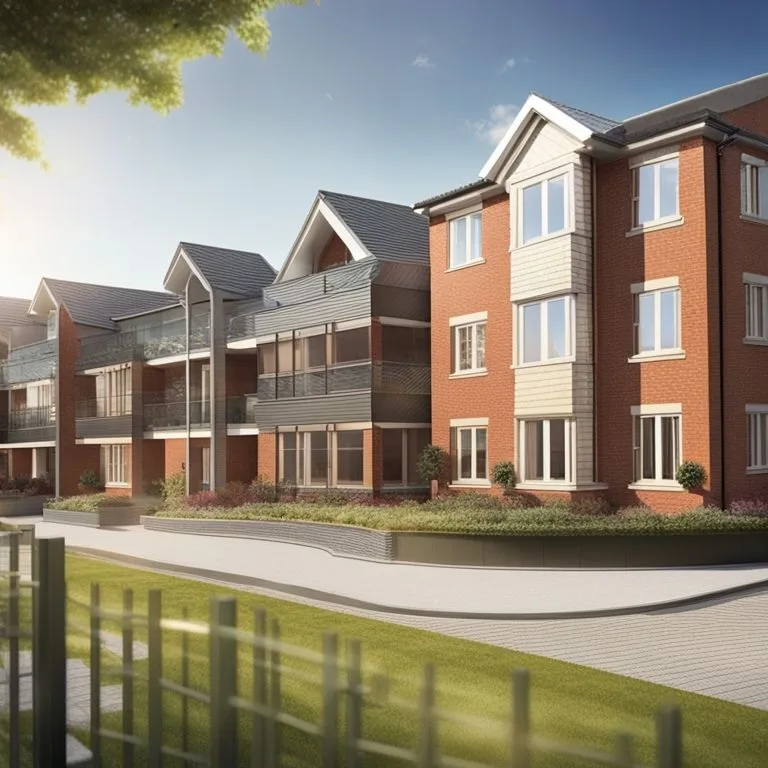
Retirement village construction is changing rapidly as technology introduces smarter, safer, and more efficient ways to design and build later-living communities. Modern technology can help developers create environments that support independence, improve resident safety, reduce operating costs, and deliver better long-term value.
From digital design tools to smart-home systems, technology now plays an important role throughout the construction process. For Care Home Developers, understanding these innovations can help create retirement villages that respond to the changing needs of older adults while maintaining comfort, accessibility, and sustainability.
How Does Digital Design Improve Retirement Village Construction?
Digital design technology allows project teams to plan retirement communities with greater accuracy before construction begins. Building Information Modelling (BIM), 3D modelling, and digital planning platforms help architects, engineers, and contractors work from a shared project model.
These tools make it easier to identify design conflicts, estimate materials, and visualise buildings before construction starts. Developers can also review room layouts, communal areas, accessibility features, and landscaping digitally.
Early visualisation can reduce costly changes during construction. It also allows stakeholders to make informed decisions about space, materials, and building systems.
Can Smart Home Technology Improve Residents' Independence?
Smart-home technology can make retirement villages more comfortable and convenient. Developers can integrate automated lighting, smart heating controls, connected appliances, door-entry systems, and voice-controlled devices into new homes.
These features can support residents who want greater control over their daily routines. For example, automated lighting can help residents navigate spaces safely at night, while smart heating systems can maintain comfortable temperatures without complicated controls.
Technology should support independence rather than make homes unnecessarily complicated. Therefore, designers should prioritise simple interfaces, accessible controls, and reliable systems.
How Can Technology Improve Safety in Retirement Communities?
Safety remains an important consideration in retirement village construction. Modern technology can provide additional support through sensors, connected alarms, access-control systems, and monitoring solutions.
Motion sensors can detect unusual activity, while smart door systems can help manage access to private and communal areas. Emergency call systems can also provide residents with a convenient way to request assistance when needed.
Technology does not replace professional care or human support. Instead, it can provide an additional layer of safety that helps residents and staff respond more quickly when assistance is required.
Can Technology Make Retirement Village Construction More Sustainable?
Technology can also help developers improve the environmental performance of retirement communities. Energy modelling tools allow project teams to assess how different designs may affect energy consumption before construction begins.
Developers can combine these tools with energy-efficient insulation, heat pumps, solar panels, LED lighting, smart meters, and efficient heating systems. Smart building-management systems can monitor energy use and help operators identify areas where consumption can be reduced.
Water-saving fixtures, rainwater-management systems, and intelligent irrigation can also contribute to more sustainable communities.
For
Care Home Developers, combining sustainable construction methods with smart technology can create buildings that are efficient while still providing comfortable living environments.
How Does Construction Technology Reduce Project Delays?
Construction management software can improve communication between architects, contractors, suppliers, and developers. Teams can use digital platforms to track schedules, monitor progress, manage documents, and identify potential issues.
Mobile applications can also allow site teams to update information directly from the construction site. This reduces reliance on paper records and makes project information easier to access.
Drones and digital surveying tools can provide useful information about construction progress and site conditions. When teams have accurate and timely information, they can address problems earlier and keep projects moving efficiently.
Can Virtual Reality Help Design Better Retirement Villages?
Virtual Reality (VR) and immersive visualisation tools give stakeholders an opportunity to experience proposed spaces before construction is complete. A developer can virtually walk through apartments, corridors, lounges, dining spaces, and outdoor areas.
This technology can be especially useful when reviewing accessibility. Designers can assess whether corridors feel spacious enough, whether furniture placement allows easy movement, and whether communal areas provide intuitive navigation.
Residents and care professionals can also provide feedback during the design stage. This approach can help project teams identify practical improvements before they become expensive construction changes.
How Can Technology Support Accessible Design?
Technology can complement traditional accessibility principles in retirement village construction. Digital modelling can help designers examine circulation routes, door widths, bathroom layouts, ramps, handrails, lighting, and other important features.
Developers can use digital simulations to consider how residents with different mobility requirements may move through a building. This encourages more thoughtful planning from the beginning.
Accessible design should remain central to the project rather than being treated as an optional addition. Technology simply gives design teams more tools to test and improve accessibility.
Can Data Help Manage Retirement Villages More Efficiently?
Once a retirement village becomes operational, connected technology can provide valuable information about building performance. Smart meters and building-management systems can monitor energy consumption, heating, lighting, and equipment performance.
This information can help operators identify unusual energy use or maintenance requirements. Predictive maintenance technology can also help identify potential equipment problems before major failures occur.
Using data effectively can support more efficient maintenance planning and help protect the long-term performance of the development.
What Role Will Technology Play in Future Retirement Village Construction?
Technology will continue to influence how retirement communities are designed, constructed, and operated. Artificial intelligence, digital twins, smart sensors, automation, and advanced building systems may become increasingly common.
However, successful technology integration requires careful planning. Developers should consider reliability, privacy, ease of use, maintenance requirements, and long-term costs before selecting new systems.
The goal should always be to use technology where it creates genuine value for residents, staff, operators, and the wider community.
Why Should Developers Embrace Technology in Retirement Village Projects?
Technology can improve many stages of retirement village construction, from initial planning and design to construction management and long-term building operation. It can support safer environments, improve energy efficiency, simplify maintenance, and create more adaptable living spaces.
For Care Home Builders, technology provides an opportunity to combine modern construction methods with resident-focused design. The strongest projects will not simply include the latest devices. They will use technology thoughtfully to create retirement communities that are comfortable, accessible, sustainable, and prepared for future needs.
As expectations for later-living environments continue to evolve, technology can help developers build communities that place practical functionality and resident wellbeing at the heart of the construction process.