November 18, 2026
Finding the Right House Builder for Quality and Modern New Builds
1.3k
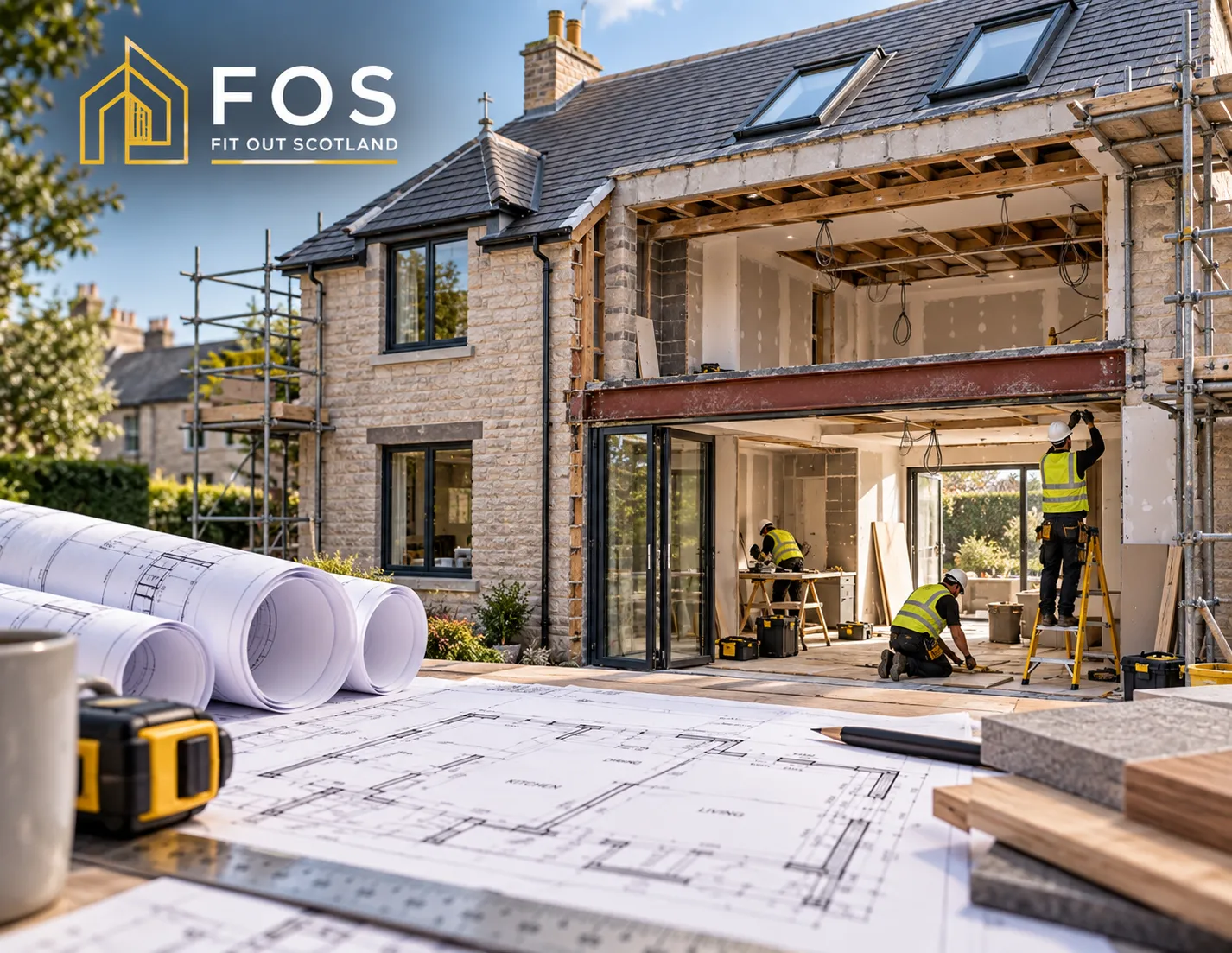
Building a home is one of the most significant investments a person can make. From choosing the right location to selecting materials and planning the layout, every decision contributes to the comfort, functionality and long-term value of the property. Working with an experienced
House builder can make the entire process more organised and rewarding. A professional building partner helps turn your ideas into a well-designed home while ensuring that important aspects such as construction quality, safety, efficiency and budget are carefully considered.
Understanding What Makes a Good House Builder
Choosing a builder involves more than comparing prices. You need a company that understands your requirements, communicates clearly and has the experience to manage every stage of a construction project. A reliable builder should be able to explain the building process, provide realistic timelines and offer guidance on materials, design options and practical considerations.
Experience is particularly important when dealing with different property types and construction requirements. Reviewing previous projects can help you understand a builder’s workmanship, attention to detail and ability to deliver consistent results. It is also worth discussing how the company manages unexpected challenges, coordinates tradespeople and maintains quality throughout the project.
A good working relationship is equally valuable. Your builder should listen to your ideas, answer questions and keep you informed about progress. Clear communication helps prevent misunderstandings and allows decisions to be made confidently.
Planning a Home That Meets Your Lifestyle
Every household has different priorities. Some homeowners want spacious open-plan living areas, while others prefer clearly separated rooms that provide privacy and flexibility. Before construction begins, it is important to consider how you use your space and what features will make everyday life easier.
The planning stage should cover the number of bedrooms, bathroom arrangements, storage requirements, kitchen layout and available living space. Natural light, ventilation and access to outdoor areas can also influence the overall design. Thinking about these details early can help create a home that remains practical as your needs change.
Energy efficiency should be another important consideration. Good insulation, suitable glazing, efficient heating systems and thoughtful building design can help maintain comfortable indoor temperatures while reducing energy consumption. Selecting durable materials can also reduce maintenance requirements and support the long-term performance of the property.
The Growing Appeal of Modern Home Construction
Modern homeowners increasingly look for properties that combine attractive design with practical features. Contemporary layouts, efficient use of space and adaptable rooms can make a property more suitable for changing lifestyles. Technology and improved construction methods have also created opportunities to make homes more comfortable and efficient.
The demand for
New builds reflects the appeal of properties designed around modern expectations. Newly constructed homes can offer contemporary layouts, updated building standards and opportunities to incorporate energy-efficient features from the beginning. Buyers may also have greater flexibility when selecting certain finishes, fittings and design details, depending on the development and construction stage.
For people planning a bespoke property, a new construction project can provide an opportunity to create a home around their preferred lifestyle. Instead of adapting an older layout, homeowners can consider how each room should function and how the entire property should connect.
Why Construction Quality Matters
A home's appearance is important, but its underlying construction quality is what supports its safety, durability and long-term value. Proper groundwork, suitable structural materials, effective insulation and carefully completed installations all contribute to a reliable building.
Attention to detail during construction can help prevent problems that may otherwise become expensive to resolve later. This includes ensuring that foundations are suitable for the site, drainage is properly planned and roofing, windows and external finishes are installed correctly.
Professional project management also plays a major role. Construction involves several trades and activities that need to be coordinated efficiently. A well-managed project helps ensure that work is completed in the correct sequence, materials are available when needed and quality checks are carried out at appropriate stages.
Homeowners should also understand what is included in their construction agreement. Specifications, payment arrangements, expected completion dates and procedures for handling changes should be discussed clearly before work begins.
Balancing Design, Budget and Long-Term Value
A successful home project requires a realistic budget. Beyond the main construction costs, homeowners should consider professional fees, planning requirements, site preparation, utility connections, landscaping and interior finishes. Setting aside a contingency allowance can also provide protection against unexpected expenses.
It can be tempting to choose the lowest quotation, but price should never be the only deciding factor. A detailed proposal that explains materials, specifications and included services makes it easier to compare builders fairly. Lower initial costs may not represent better value if important elements are excluded or if cheaper materials lead to additional maintenance later.
Long-term value comes from making informed decisions. Durable finishes, efficient heating, practical storage and flexible room layouts can all contribute to a property that remains comfortable and useful over time. A balanced approach helps homeowners achieve an attractive result without overlooking essential construction requirements.
Making the Building Process More Straightforward
Building a home can involve many decisions, but a structured process makes the experience easier to manage. It generally begins with an initial discussion about your requirements, followed by design development, budgeting, relevant permissions and preparation for construction.
Once work starts, regular communication and progress updates help you understand what is happening on site. It is useful to agree on how questions will be handled, who will approve changes and how decisions affecting the schedule or budget will be communicated.
Before completion, the property should undergo appropriate inspections and checks. Homeowners should also receive relevant documentation, warranties and information about the systems and installations within the property. A proper handover helps ensure that you understand how to maintain and operate your new home.
Creating a Home for the Future
A well-built home should reflect your current needs while providing flexibility for the years ahead. Careful planning, reliable materials and professional project management can make a significant difference to the final result.
Choosing the right construction partner means looking beyond the initial quotation and considering experience, communication, workmanship and overall value. With the right guidance, homeowners can approach their project with greater confidence and create a property that combines practical living spaces, attractive design and lasting quality.
Whether you are planning a completely individual property or exploring contemporary housing options, investing time in selecting the right builder is an important first step towards creating a home you can enjoy for many years.