October 22, 2026
Asbestos Air Monitoring: Ensuring a Safe and Healthy Environment
1.3k
Asbestos is a naturally occurring mineral that was widely used in construction, insulation, roofing, and various industrial applications because of its durability and heat resistance. However, when asbestos-containing materials become damaged, disturbed, or deteriorated, they can release microscopic fibres into the air. These fibres pose serious health risks when inhaled, making effective monitoring essential for maintaining a safe environment.
Asbestos Air Monitoring plays a crucial role in identifying potential exposure risks and ensuring that workplaces, residential buildings, and construction sites meet applicable safety requirements.
In this blog, we will explore the importance of asbestos monitoring, how it works, and why choosing the right Air Quality Monitor Asbestos solution is essential for protecting human health.
What Is Asbestos Air Monitoring?
Asbestos Air Monitoring is the process of collecting and analysing air samples to determine whether airborne asbestos fibres are present and, where applicable, to measure their concentration. This process helps assess potential exposure risks and evaluate whether appropriate safety measures are working effectively.
Professional monitoring is particularly important during asbestos removal, renovation, demolition, and maintenance activities that could disturb asbestos-containing materials.
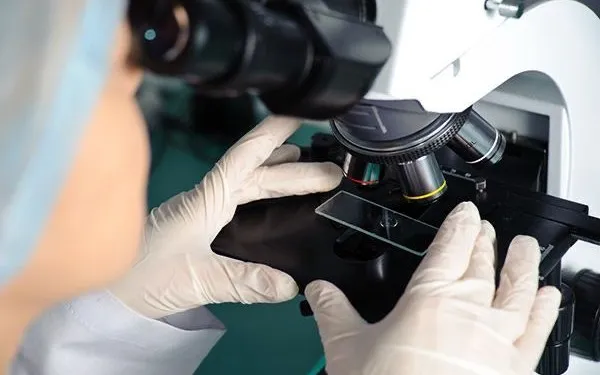
Air samples are generally collected using specialised equipment that draws a measured volume of air through a filter. The filter is then analysed by a qualified laboratory using an appropriate analytical method. Depending on the purpose of the assessment, methods may include phase contrast microscopy (PCM) or transmission electron microscopy (TEM).
The results help qualified professionals determine whether additional precautions, improved containment, or further investigation may be necessary.
Why Is Asbestos Air Monitoring Important?
Asbestos fibres are microscopic and cannot reliably be identified by sight, smell, or ordinary air-quality readings. Exposure can lead to serious illnesses, including asbestosis, lung cancer, and mesothelioma. These diseases may take many years to develop.
Regular and task-specific monitoring offers several important benefits.
1. Protecting Human Health
The primary purpose of asbestos monitoring is to reduce the risk of exposure. By assessing airborne fibres during relevant activities, professionals can identify potential problems and recommend suitable control measures.
2. Supporting Safe Asbestos Removal
During asbestos removal, monitoring can help assess conditions around the work area and, when required, in nearby occupied spaces. This information supports the evaluation of containment measures and helps identify possible fibre releases.
3. Verifying Cleaning and Clearance
After asbestos removal, air testing may be required to assess whether the area meets the applicable clearance criteria before it is returned to normal use. Clearance requirements depend on local regulations, the type of project, and the relevant assessment procedure.
4. Supporting Regulatory Compliance
Employers, building owners, contractors, and facility managers may have legal responsibilities concerning asbestos identification, exposure prevention, and worker protection. Professional monitoring helps provide documented evidence for relevant safety assessments and compliance activities.
Understanding an Air Quality Monitor Asbestos Solution
An
Air Quality Monitor Asbestos solution generally refers to equipment and testing procedures used to assess airborne asbestos fibres. It is important to understand that ordinary air-quality monitors cannot reliably detect asbestos simply by measuring particulate matter, dust, or general air pollution.
Specialised sampling equipment and laboratory analysis are normally necessary to determine whether airborne asbestos fibres are present and to quantify them using an appropriate method.
A suitable monitoring solution may include air sampling pumps, calibrated flow meters, sampling filters, personal sampling equipment, and laboratory analysis. The equipment and method selected depend on the monitoring objective, the work environment, and the applicable standards.
For this reason, businesses should work with experienced asbestos monitoring professionals rather than relying on consumer-grade air-quality devices.
Types of Asbestos Air Monitoring
Different monitoring approaches are used depending on the situation.
Background Monitoring: This assesses airborne fibre levels before work begins or establishes baseline conditions where appropriate.
Personal Monitoring: Air sampling equipment is worn by a worker to help assess potential occupational exposure during specific tasks.
Environmental Monitoring: Samples are collected at selected locations around a work area to assess potential fibre migration beyond the immediate work zone.
Reassurance Monitoring: This may be undertaken to investigate concerns about possible asbestos release or to provide additional information about conditions in an affected area.
Clearance Monitoring: Where required, air testing forms part of the process for determining whether an asbestos work area satisfies the relevant criteria for reoccupation.
Each approach has a specific purpose, and the monitoring plan should be designed by a competent professional.
When Should You Arrange Asbestos Air Monitoring?
Asbestos air testing may be appropriate before, during, or after activities that could disturb asbestos-containing materials. Common situations include building demolition, refurbishment, asbestos removal, industrial maintenance, and investigations following accidental damage.
Monitoring may also be appropriate when building occupants or workers have concerns about a possible fibre release. However, air testing alone cannot establish that a building is completely free of asbestos. Some asbestos-containing materials may remain safely enclosed and undisturbed without releasing significant airborne fibres.
If asbestos is suspected, avoid disturbing the material and arrange an assessment by a qualified asbestos professional.
Choosing the Right Asbestos Monitoring Service
Selecting an experienced monitoring provider is essential for obtaining reliable results. Look for a service that uses calibrated equipment, follows recognised sampling and analytical methods, and provides clear reports explaining the results.
A reputable provider should also understand applicable local regulations, project-specific risks, sampling locations, and the limitations of the selected testing method.
Before appointing a provider, ask about laboratory qualifications, reporting timelines, quality-control procedures, and whether the service includes advice on interpreting the findings.
Conclusion
Asbestos Air Monitoring is an important part of managing asbestos-related risks in buildings, workplaces, and construction environments. It helps professionals assess airborne fibre concentrations, evaluate control measures, and support safe removal and clearance procedures.
Choosing an appropriate Air Quality Monitor Asbestos solution means understanding the difference between general air-quality monitoring and specialised asbestos fibre sampling. With qualified professionals, suitable equipment, and reliable laboratory analysis, organisations can make better-informed decisions and strengthen their approach to health and safety.
Ultimately, proactive asbestos management is not just about meeting regulatory requirements. It is about protecting workers, occupants, and communities from preventable exposure risks and creating safer environments for everyone.