
October 27, 2026
Modern Parenting Guide: Building Strong Family Habits for a Balanced Life
1.3k0
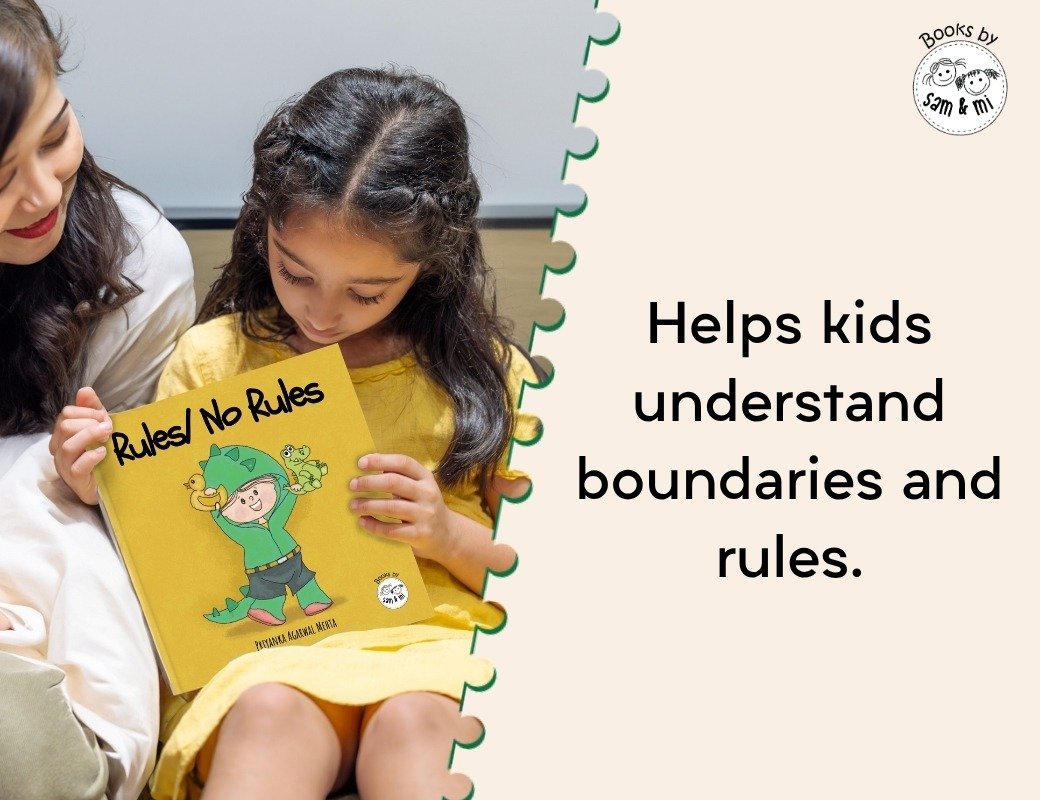
Parenting today involves more than meeting children's basic needs. Families must balance work commitments, emotional well-being, nutrition, education, and technology while creating an environment where children feel safe and valued. Although every family faces different challenges, consistent routines and compassionate communication can make daily life more manageable. Small improvements, practiced regularly, can strengthen relationships and support children's growth. At parentwithpurpose, the focus is on practical, thoughtful approaches that help parents create healthier family habits without expecting perfection.
Organizing Family Life Around Healthy Habits
Busy schedules can make family organization difficult, particularly when parents juggle professional deadlines, school activities, and household responsibilities. Creating a simple weekly routine helps everyone understand what needs to happen and when. Shared calendars, prepared school bags, and regular bedtime habits can reduce last-minute stress.
A Meal Plan for Working Parents offers a practical way to simplify nutrition during busy weeks. Start by selecting a few balanced meals, preparing ingredients in advance, and keeping convenient options such as frozen vegetables, beans, eggs, and whole grains available. Preparing extra portions can provide quick lunches or dinners for another day.
Involving children in meal preparation encourages responsibility and curiosity about food. Younger children can wash vegetables, while older children can help select recipes or prepare simple dishes with appropriate supervision. Family meals can also become opportunities to discuss the day, listen to one another, and strengthen relationships.
The goal is not to follow a perfect schedule. A flexible plan with a few dependable habits is often more effective than a complicated routine that becomes difficult to maintain.
Developing Emotional Awareness and Family Communication
Children gradually learn how to identify emotions, communicate needs, and respond to disappointment. Parents support this process by remaining calm, setting clear boundaries, and acknowledging feelings without automatically approving every behavior.
Practical Emotional Regulation Tips for Parents include pausing before reacting, breathing slowly during stressful moments, and recognizing situations that trigger frustration. When a conversation becomes heated, parents can take a short break if everyone is safe and return when they feel calmer. Apologizing after an impatient response also demonstrates accountability and emotional maturity.
Positive relationships benefit from effective Family Dynamics Tips. Families can establish shared expectations, divide age-appropriate chores fairly, and create regular opportunities for children to express concerns. Avoiding sibling comparisons and listening without immediate judgment can help each child feel respected.
Parents should also distinguish between emotions and actions. Anger, sadness, and disappointment are normal, but hurtful behavior may still require limits. Acknowledging a feeling while calmly explaining the boundary teaches children that emotions can be accepted and managed constructively.
Practicing Mindfulness and Consistent Parenting
Mindfulness can help parents become more aware of their thoughts, emotions, and reactions. Useful Mindfulness Practices for Parents include taking a few quiet breaths before starting the day, putting away distractions during conversations, or spending several minutes reflecting before bedtime.
These practices do not remove every difficulty, but they can create space to respond thoughtfully instead of reacting automatically. Even brief moments of attention can help parents reconnect with their priorities.
Purposeful and Persistent Parenting means maintaining important family values while remaining open to change. Children develop at different rates, so strategies that work for one child may not work for another. Parents can establish clear expectations, recognize positive efforts, and review their approach when challenges continue.
Consistency is most helpful when combined with warmth and flexibility. Rather than expecting immediate improvement, focus on gradual progress and acknowledge small achievements. This approach encourages children to learn from mistakes without feeling defined by them.
Understanding the Effects of Digital Media
Digital devices provide entertainment, educational opportunities, and ways to connect with relatives. However, families need to consider how screen habits fit into children's overall lives. The Harmful Effects of Screen Time may include reduced physical activity, disrupted sleep, and fewer opportunities for face-to-face communication when device use becomes excessive.
The Impact of Screen Time on Child Development depends on the child's age, the content being viewed, the length of use, and whether the activity is shared with a caregiver. Educational content and video calls can be useful, while prolonged passive viewing may displace play, conversation, exercise, and rest.
Parents can evaluate screen habits by asking whether devices interfere with sleep, schoolwork, family relationships, or outdoor activities. A balanced approach considers the quality and purpose of digital experiences rather than treating every screen activity as equally harmful.
Creating a Realistic Screen-Free Routine
A Screen Detox Plan for Kids can introduce healthier habits without requiring families to eliminate technology completely. Start with achievable steps, such as keeping meals device-free, establishing a consistent bedtime routine without screens, and scheduling activities that encourage movement and creativity.
For parents wondering How to Reduce Screens Without Conflict, involving children in the planning process can make a meaningful difference. Explain why boundaries matter, provide reminders before stopping a video or game, and offer alternatives such as board games, reading, crafts, or outdoor play.
Parents should model the behavior they expect by limiting unnecessary phone use during conversations and shared activities. Rules can evolve as children mature, allowing them to participate more actively in managing their digital choices. Predictability and cooperation are generally more helpful than sudden restrictions or repeated arguments.
Preparing for Pregnancy and Parenthood
Preparing for Parenthood involves planning for practical responsibilities while acknowledging the emotional changes that accompany caring for a new baby. Parents can discuss finances, childcare, household tasks, parental leave, and the support they may need after birth.
Parenthood Pregnancy preparation also includes attending prenatal appointments, learning about pregnancy and infant care, and following advice from qualified healthcare professionals. Partners, relatives, and trusted support networks can contribute by sharing responsibilities and providing reassurance.
No amount of preparation can predict every challenge. Remaining flexible, seeking reliable guidance, and accepting help can make the transition into parenthood more manageable.
Conclusion
Balanced family life grows through everyday decisions rather than perfection. Consistent routines, emotional awareness, thoughtful communication, appropriate screen boundaries, and preparation for major life changes can help families feel more connected.
At parentwithpurpose, the emphasis is on compassionate, practical parenting that respects each family's circumstances. By focusing on small improvements and maintaining realistic expectations, parents can nurture children's confidence, resilience, and healthy development while building a more supportive home.
- ADVERTISEMENT -

TAGS :

RECOMMENDED FOR YOU

EDITORS PICK

Web design industry future
July 15, 2021

Create Your Own Digital Library
February 18, 2021

The Next Revolution in the Accounting Industry
July 15, 2021

Flash games are the future
July 10, 2021