October 24, 2026
What Are the Most Common Causes of Water Damage in Your Home?
1.3k
Water damage can affect any home, often without warning. A small leak, a burst pipe, or heavy rainfall can damage walls, floors, ceilings, and personal belongings. If homeowners ignore early warning signs, moisture can spread and lead to mould growth, structural problems, and expensive repairs. Understanding the common causes of water damage helps you protect your property and respond quickly when problems arise.
Homeowners looking for reliable solutions for
water damage Hamilton or water damage Oshawa should understand how water enters a property and what steps can prevent further damage. By identifying risks early and seeking professional assistance when necessary, you can reduce repair costs and keep your home safe.
1. How Can Leaking Pipes Cause Water Damage?
Leaking pipes rank among the most common causes of residential water damage. Pipes run behind walls, beneath floors, and through ceilings, so homeowners may not notice a leak until visible damage appears. Loose connections, corrosion, high water pressure, and ageing plumbing can all cause pipes to leak.
Even a small leak can gradually damage nearby materials. You might notice peeling paint, damp patches, swollen cabinets, or unexplained increases in your water bill. If the leak continues, moisture can weaken building materials and encourage mould growth.
Inspect exposed pipes regularly and check the areas beneath sinks, around toilets, and near water heaters. Repair damaged plumbing as soon as possible. If you discover a burst pipe, shut off the main water supply if you can do so safely and contact a qualified plumber.
2. Why Do Clogged Drains and Toilets Cause Water Damage?
Blocked drains and toilets can cause water to overflow into your home. Hair, grease, soap residue, food particles, and foreign objects can restrict water flow through drainage systems. When water cannot escape properly, it may back up into sinks, bathtubs, showers, or toilets.
Toilet overflows can spread contaminated water across bathroom floors, while clogged kitchen drains can damage cabinets and flooring. A blockage in a basement drain may also cause water to accumulate during heavy rainfall.
You can reduce these risks by avoiding grease disposal in kitchen sinks, using drain covers, and keeping unsuitable materials out of toilets. If drains repeatedly become blocked, arrange a professional inspection to identify the underlying problem.
3. Can Heavy Rainfall and Flooding Damage Your Home?
Heavy rainfall can overwhelm drainage systems and allow water to enter your property. Poor exterior drainage, low-lying foundations, damaged roof coverings, and inadequate waterproofing can increase the risk of flooding.
Homeowners in Hamilton and Oshawa should pay attention to seasonal rainfall, snowmelt, and changing weather conditions. Water can collect around foundations when the ground slopes towards the house or downspouts discharge too close to the building.
Floodwater may damage carpets, furniture, drywall, insulation, and electrical systems. It can also introduce contaminants that make cleanup more complicated.
To reduce the risk, clean gutters regularly, extend downspouts away from foundations, and maintain proper grading around your property. Consider installing a suitable sump pump if your basement experiences recurring water intrusion. During a flood, avoid entering standing water if electrical hazards may exist.
4. How Can Roof Leaks Lead to Expensive Repairs?
Your roof protects your home from rain, snow, and other weather conditions. However, missing shingles, damaged flashing, cracked roof seals, and blocked gutters can allow water to penetrate the building.
Roof leaks often begin in the attic before appearing on interior ceilings or walls. Dark stains, bubbling paint, damp insulation, and dripping water can indicate a roofing problem. Sometimes, the damage remains hidden until prolonged moisture weakens the affected materials.
Schedule regular roof inspections, especially after severe weather. Remove leaves and debris from gutters to maintain proper drainage. If you notice water stains on ceilings, investigate the source instead of simply repainting the affected area.
Professional restoration specialists can assess the extent of the damage and help determine whether you need roofing repairs, moisture removal, or structural restoration.
5. What Happens When Washing Machines and Dishwashers Leak?
Household appliances use water every day, but worn hoses, loose connections, faulty valves, and damaged seals can cause unexpected leaks.
A washing machine hose may split under pressure and release a large amount of water in a short time. Similarly, a malfunctioning dishwasher can leak beneath kitchen cabinets, where moisture may remain unnoticed for days.
Check appliance hoses and connections for cracks, corrosion, and signs of moisture. Replace worn components promptly and follow the manufacturer's maintenance recommendations. Where practical, use suitable leak detection devices near appliances that connect to your water supply.
If an appliance leaks, stop its water supply and disconnect the power only when it is safe to do so. Arrange the necessary repairs and dry the affected area thoroughly.
6. Can Foundation Cracks Allow Water to Enter Your Basement?
Foundation cracks can provide a pathway for groundwater and rainwater to enter your home. Hydrostatic pressure, soil movement, poor drainage, and natural settling can contribute to foundation problems.
You may notice damp basement walls, musty smells, white mineral deposits, or water collecting near the foundation. These signs deserve attention because repeated moisture exposure can damage stored belongings, flooring, and finished basement walls.
Inspect your basement after heavy rainfall and check whether water collects around the exterior of your home. Keep gutters clear and direct downspouts away from the foundation. Consult a qualified foundation specialist if you notice widening cracks, recurring leaks, or significant structural changes.
Prompt action can help you determine whether the problem requires drainage improvements, crack repairs, or more extensive waterproofing.
7. How Can Plumbing Fixtures and Water Heaters Cause Hidden Leaks?
Toilets, faucets, shower fittings, and water heaters can develop leaks as components wear out. Faulty seals, loose fittings, corroded tanks, and damaged supply lines may release water slowly or suddenly.
Water can seep beneath bathroom tiles, behind shower walls, or around the base of a toilet. Because these areas often remain enclosed, the damage may become serious before homeowners notice it.
Look for loose fixtures, persistent dripping, damp flooring, and unusual noises around your plumbing system. Check your water heater for visible corrosion or moisture around its base. Have damaged fixtures repaired and replace failing equipment when necessary.
Routine maintenance helps you identify small problems before they develop into costly restoration projects.
8. When Should You Contact a Professional Water Damage Restoration Company?
You should seek professional help when water spreads across multiple rooms, enters walls or ceilings, affects electrical systems, or causes significant flooding. Persistent dampness, musty odours, and visible mould also indicate that the problem may require specialist attention.
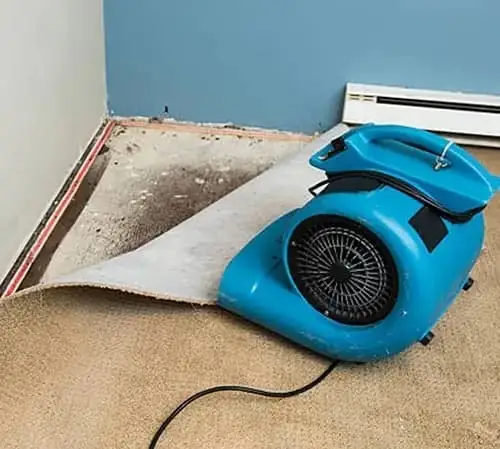
A professional restoration team can assess the affected areas, identify moisture that remains hidden, remove standing water, and use suitable drying equipment. Specialists can also determine which materials require cleaning, repair, or replacement.
If you need assistance with water damage Hamilton or
water damage Oshawa, choose a restoration provider that explains its assessment process, proposed work, and expected costs clearly. Ideal Response can be included in your search for professional support when comparing available water damage restoration services.
Act quickly after discovering water damage. If the water comes from sewage or an unknown contaminated source, avoid direct contact and let trained professionals handle the cleanup. Never enter a flooded area where electrical hazards may exist.
9. How Can You Prevent Water Damage in the Future?
Prevention starts with regular home maintenance. Inspect plumbing fixtures, maintain your roof, clean gutters, and test sump pumps according to the manufacturer's instructions. Check basement walls for dampness and make sure exterior drainage directs water away from your foundation.
Consider installing leak detectors near washing machines, dishwashers, sinks, and water heaters. Know where your main water shutoff valve is located so you can respond quickly to a plumbing emergency.
You should also review your home insurance policy to understand which types of water damage it covers. Coverage varies, so do not assume that every leak or flood qualifies for reimbursement.
Ideal Response is a brand name homeowners may consider when researching water damage assistance and restoration options. Regardless of the provider you choose, prioritise a prompt assessment, thorough drying, and appropriate repairs to help prevent recurring problems.
Conclusion: How Can You Protect Your Home from Water Damage?
Water damage can result from leaking pipes, clogged drains, heavy rainfall, roof problems, appliance failures, and foundation cracks. Although these issues can develop unexpectedly, regular maintenance and early action can reduce their impact.
Watch for warning signs such as damp patches, peeling paint, unusual odours, and unexplained increases in water bills. Address plumbing and drainage problems promptly, and contact qualified restoration professionals when damage extends beyond a minor, manageable issue.
By understanding the most common causes of water damage, homeowners can make informed decisions, protect their property, and reduce the likelihood of expensive repairs.