October 20, 2026
How Can Professional Ant Pest Control Protect Your Home?
1.3k
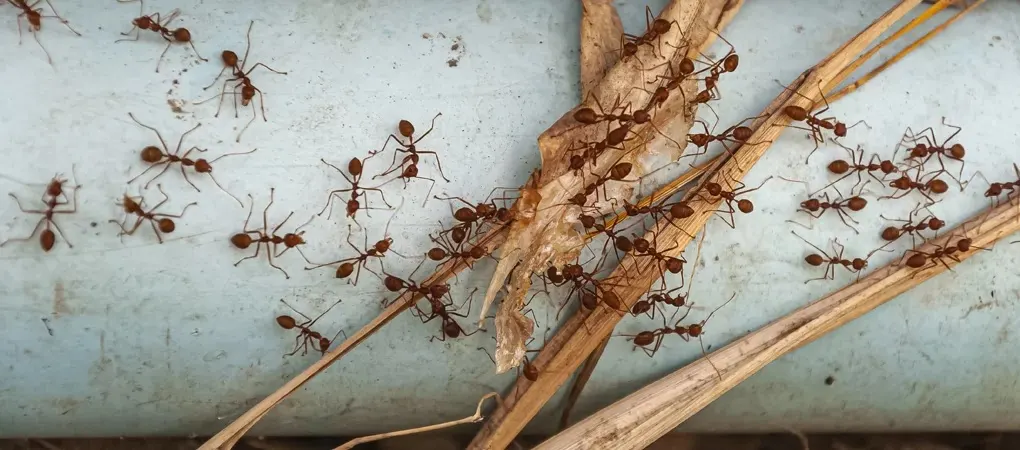
Ants may look harmless, but a small infestation can quickly become a frustrating problem for homeowners. These tiny insects enter homes in search of food, water, and shelter. They can contaminate food, damage wooden structures in some cases, and establish colonies in hidden areas. Although home remedies may provide temporary relief, they often fail to eliminate the source of an infestation.
Professional
Ant Pest Control offers a practical solution by identifying ant species, locating nesting sites, and applying targeted treatments. With effective Ant Control methods, homeowners can protect their living spaces and reduce the chances of recurring infestations. Understanding how professional services work can help you make informed decisions about keeping your home clean, comfortable, and pest-free.
Why Is Professional Ant Pest Control Important for Your Home?
Ants can enter your home through tiny cracks, gaps around windows, door frames, and openings near plumbing pipes. Once they discover a food source, they leave chemical trails that guide other ants to the same location. This behavior allows a few ants to turn into a large, visible trail within a short period.
Professional Ant Pest Control addresses the underlying cause rather than focusing only on the ants you can see. Trained technicians inspect your property, identify possible entry points, and assess the extent of the infestation.
They also determine which treatment methods suit your home and the ant species involved. This targeted approach helps control existing colonies while reducing the conditions that attract ants in the first place.
How Does Professional Ant Control Eliminate Ant Colonies?
Many homeowners use household sprays to kill ants they notice on kitchen counters or floors. However, these products may eliminate only the visible workers while leaving the colony and queen untouched.
Professional Ant Control follows a more comprehensive process. Technicians identify ant trails, inspect potential nesting areas, and select suitable treatments based on their findings. Depending on the infestation, they may use targeted baits, approved insecticides, or other integrated pest management techniques.
Ants often carry suitable bait back to their colony, where it can help control ants that remain hidden. Professionals select the appropriate products and placement to improve effectiveness while limiting unnecessary pesticide exposure.
By targeting the colony instead of only the visible insects, professional treatment can provide longer-lasting results. The exact outcome depends on the ant species, colony location, treatment method, and cooperation from the homeowner.
Can Ant Pest Control Protect Your Kitchen and Food?
Kitchens attract ants because they provide easy access to crumbs, sugary drinks, cooking ingredients, and uncovered food. Even small amounts of residue can encourage ants to return repeatedly.
Ants can move across floors, bins, drains, and other contaminated surfaces before reaching food preparation areas. Their presence creates an unwanted hygiene concern, especially when they enter food containers or travel across utensils and countertops.
Professional Ant Pest Control helps address this problem by treating identified activity areas and recommending practical prevention measures. Technicians may suggest sealing food in airtight containers, cleaning spills promptly, emptying rubbish bins regularly, and removing grease or crumbs from hidden corners.
These simple habits complement professional treatment and make your kitchen less attractive to ants. Consistent cleaning and appropriate pest management can help maintain a cleaner and healthier food preparation environment.
How Can Professional Treatment Prevent Property Damage?
Not every ant species damages property, but certain types can create structural concerns. Carpenter ants, for example, excavate wood to establish nests. They do not eat wood like termites, but their nesting activity can damage wooden structures when an infestation becomes established.
Ants may also nest in wall cavities, insulation, garden structures, and other concealed spaces. These locations can make infestations difficult to detect without a careful inspection.
Professional Ant Pest Control helps homeowners identify the species responsible for the problem and determine whether the activity threatens any part of the property. Technicians can recommend suitable treatment and advise homeowners to repair moisture problems, replace damaged wood, and seal accessible entry points.
Early intervention can help limit the spread of an infestation and reduce the risk of more extensive repairs.
What Makes Professional Ant Control Safer and More Effective?
Using insecticides without understanding the product, ant species, or infestation location can create unnecessary risks. Incorrect application may expose children, pets, or other household members to pesticides. Some treatments may also fail when homeowners apply them to the wrong areas.
Professional
Ant Control relies on a more informed approach. Trained technicians choose products according to the infestation and follow label directions, application requirements, and relevant safety precautions.
They can also explain any necessary preparation before treatment, including storing food, clearing access to affected areas, and keeping children and pets away from treated locations for the specified period.
A professional service should explain the treatment plan and provide clear instructions for aftercare. Homeowners should follow these directions carefully to support effective results and reduce avoidable exposure.
How Does Ant Pest Control Reduce the Risk of Future Infestations?
Eliminating an existing infestation is only part of the solution. Ants may return if they continue to find food, moisture, shelter, and easy access to the building.
A reliable Ant Pest Control plan combines treatment with preventive measures. Professionals can identify cracks, gaps, and other potential entry points around doors, windows, utility lines, and foundations.
Homeowners can support these efforts by following a few straightforward practices:
- Seal entry points: Close accessible cracks and gaps around windows, doors, pipes, and walls.
- Store food properly: Keep dry goods, sweets, and pet food in sealed containers.
- Remove moisture: Fix leaking taps and pipes, and keep damp areas well ventilated.
- Maintain cleanliness: Wipe countertops, clean floors, and remove food waste regularly.
- Manage outdoor areas: Trim vegetation near the building and keep rubbish bins covered.
- Monitor ant activity: Report recurring trails or new nesting signs before the problem spreads.
These preventive steps make your property less attractive to ants and help professional treatments deliver better long-term results.
When Should You Hire a Professional Ant Pest Control Service?
You should consider professional assistance when ants repeatedly appear despite regular cleaning and home treatments. Large trails, recurring infestations, ants emerging from wall openings, and suspected carpenter ant activity can indicate a more established problem.
You should also seek expert advice if you cannot locate the nest or identify the species. Different ants respond to different control methods, so choosing the wrong treatment can waste time and money.
Mega Pest Control can serve as a point of contact for homeowners seeking a structured approach to ant management. Before choosing a provider, ask about inspection procedures, treatment options, safety precautions, follow-up visits, and preventive recommendations. Confirm the services offered and any applicable warranty or follow-up policy.
A clear treatment plan helps you understand what the service includes and what you should do to prevent another infestation.
How Can You Keep Your Home Ant-Free After Treatment?
Maintaining an ant-free home requires cooperation between professional treatment and everyday household habits. Even after technicians reduce an infestation, accessible food, standing water, and unsealed entry points can attract new ants.
Continue cleaning food preparation areas, storing groceries securely, and checking common entry points. Avoid disturbing professional bait placements or applying additional insecticides unless your technician advises you to do so, because incompatible products may interfere with the treatment.
Monitor the treated areas and contact your service provider if ant activity persists beyond the expected treatment period. Some treatments require time to affect an entire colony, so follow the technician's guidance before judging the final results.
Mega Pest Control can be considered when comparing professional options for protecting your property from recurring ant problems.
Conclusion: Is Professional Ant Pest Control Worth It?
Professional Ant Pest Control helps protect your home by addressing ant colonies, reducing contamination risks, identifying potential property damage, and limiting future infestations. Unlike temporary solutions that target visible ants alone, professional Ant Control focuses on the source of the problem and the conditions that allow ants to thrive.
By combining expert assessment, suitable treatments, and preventive household practices, you can maintain a cleaner and more comfortable living environment. Acting early and following professional advice can make ant management more effective and help you protect your home over time.