



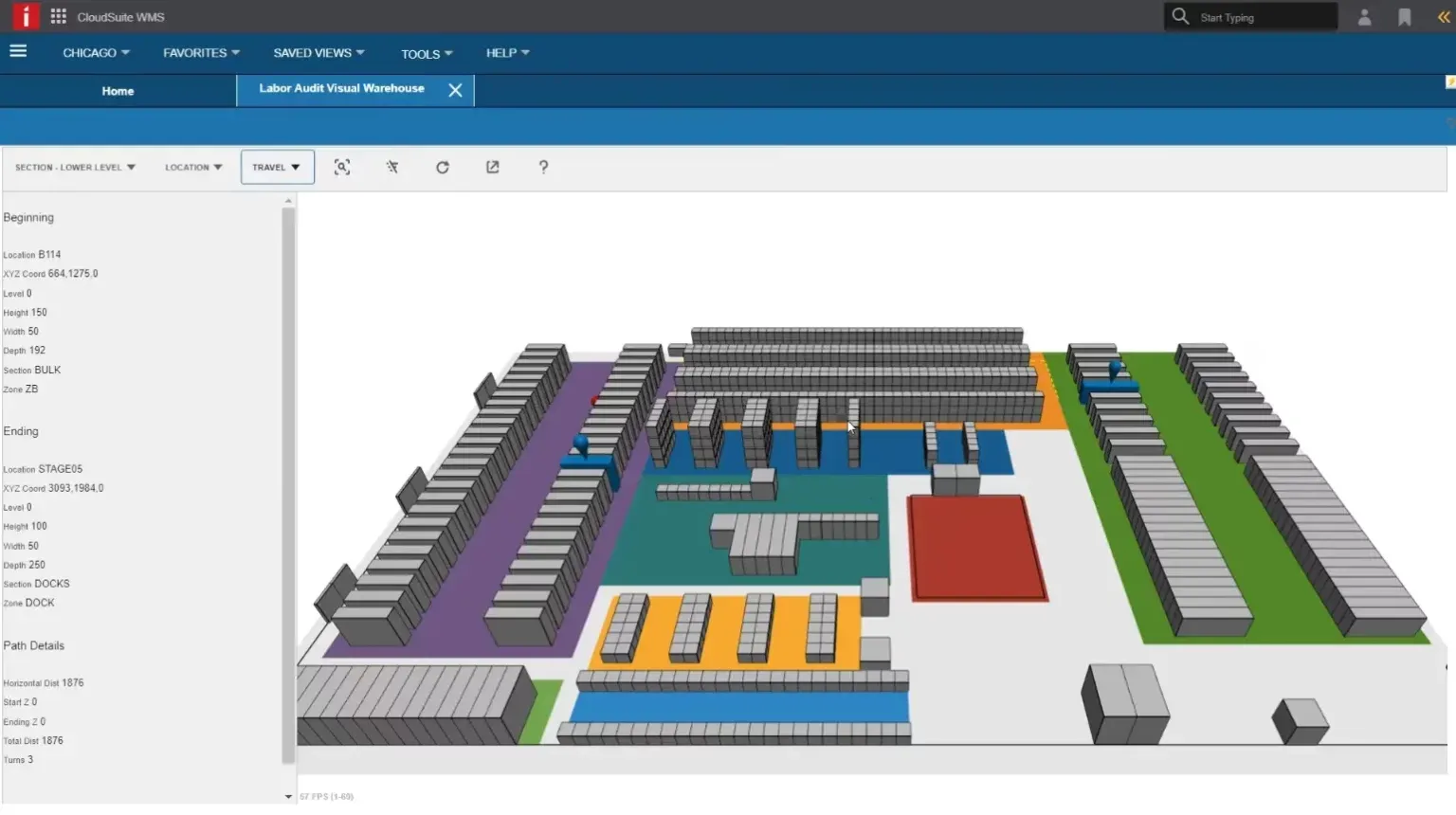
Efficient warehouse operations are essential for businesses that handle physical products, manage large inventories, or operate complex supply chains. As customer expectations continue to rise, companies need accurate stock information, faster order fulfillment, and better control over daily warehouse activities. A modern warehouse management system can help organizations achieve these goals by bringing important warehouse processes into one centralized platform. From receiving goods to shipping customer orders, digital technology can make warehouse operations more organized, transparent, and efficient.
A traditional warehouse often relies on spreadsheets, paper documentation, and manual data entry. While these methods may work for smaller operations, they can become difficult to manage as inventory volumes increase. Errors in stock records, misplaced products, delayed updates, and inefficient picking processes can affect profitability and customer satisfaction. Implementing reliable warehouse management software allows businesses to automate important activities and maintain more accurate information throughout the inventory lifecycle.
One of the primary functions of a wms is to provide real-time visibility into warehouse inventory. Employees can quickly determine product quantities, storage locations, and movement history without relying on multiple records. This visibility helps warehouse teams make better decisions and reduces the possibility of inventory discrepancies. Managers can also monitor warehouse activities more effectively, allowing them to identify operational issues before they become significant problems.
An effective warehouse management system can improve receiving and put-away processes as well. When new products arrive, warehouse employees need to verify quantities, record incoming goods, and assign appropriate storage locations. Manual procedures can make these activities time-consuming and prone to mistakes. Digital workflows can standardize the process, allowing products to be recorded and organized more efficiently. Better organization also makes products easier to locate when customer orders need to be fulfilled.
Inventory control is another major area where technology provides significant advantages. An integrated inventory management software solution enables businesses to monitor stock levels and product movements across warehouse locations. Accurate inventory information can help companies identify fast-moving products, slow-moving items, and stock that requires replenishment. By maintaining better control over inventory, businesses can reduce unnecessary storage expenses while minimizing the risk of stock shortages.
A comprehensive inventory management system can also support better demand planning. Historical inventory information and movement data can provide valuable insights into purchasing requirements. Instead of relying entirely on assumptions, managers can use available data to make more informed decisions about replenishment. This can help maintain appropriate inventory levels and prevent capital from being unnecessarily tied up in excess stock.
Order picking is another warehouse activity that can benefit from a modern wms. Picking errors can result in incorrect deliveries, product returns, additional shipping expenses, and dissatisfied customers. Digital systems can provide employees with structured picking instructions and updated inventory information. By improving the accuracy of product selection, businesses can process orders more efficiently and reduce avoidable fulfillment mistakes.
Automation within warehouse management software can further increase productivity. Repetitive tasks such as stock updates, transfers, replenishment records, and order status changes can be handled through automated workflows. Barcode scanning and digital tracking can reduce manual data entry while improving transaction accuracy. Employees can therefore spend less time maintaining paperwork and more time focusing on productive warehouse activities.
Businesses should also consider integration when selecting a warehouse management system. Warehouse operations are closely connected with purchasing, sales, accounting, e-commerce, and distribution. When these functions operate through disconnected systems, employees may need to enter the same information multiple times. Integrated technology creates a more consistent flow of information, helping departments coordinate their activities and respond more quickly to changes in demand.
Choosing an experienced technology provider can make the implementation process more effective. HashMicro provides business software solutions designed to support organizations in managing and automating various operational processes. Companies evaluating inventory management software should consider factors such as scalability, usability, reporting capabilities, integration, security, and ongoing support. The right solution should be capable of adapting as inventory volumes and operational requirements grow.
Analytics can also transform warehouse management from a reactive process into a strategic function. A capable inventory management system can generate useful information about stock movement, order processing, inventory accuracy, and operational performance. Managers can analyze these insights to identify bottlenecks and improve warehouse workflows. Regular performance monitoring helps businesses establish measurable objectives and continuously improve their operations.
In today's competitive environment, warehouse efficiency has a direct impact on customer satisfaction and overall business performance. Implementing a reliable wms can provide the visibility and automation needed to manage increasingly complex warehouse operations. With the support of solutions such as HashMicro, businesses can create more structured workflows, improve inventory accuracy, and strengthen operational control.
Ultimately, investing in warehouse management software is not simply about replacing manual records with digital tools. It is about creating a connected warehouse environment where employees have accurate information and managers can make informed decisions. By combining automation, real-time visibility, inventory control, and analytics, organizations can improve productivity, reduce operational costs, and prepare their warehouses for sustainable long-term growth.

TAGS :


July 15, 2021

February 18, 2021

July 15, 2021

July 10, 2021


