July 13, 2026
What Is the Procedure for Getting a Dentist Bridge?
1.3k
A missing tooth can affect more than just your smile. It can make chewing difficult, change your bite, and impact your confidence. A dentist bridge is a common restorative dental treatment that replaces one or more missing teeth by using artificial teeth supported by nearby natural teeth or dental implants. This solution helps restore your smile while improving your overall oral function.
A dental bridge fills the gap created by missing teeth and prevents surrounding teeth from shifting out of position. When teeth move into empty spaces, they can create alignment problems and increase the risk of gum issues. By choosing a professional dental bridge procedure, patients can maintain a balanced bite and protect their remaining teeth.
At Edge Dental, patients receive personalized guidance throughout the bridge treatment process. The dental team focuses on creating comfortable, natural-looking results that match each patient’s smile.
How Does the Dentist Examine Your Smile Before a Bridge Procedure?
The first step in getting a
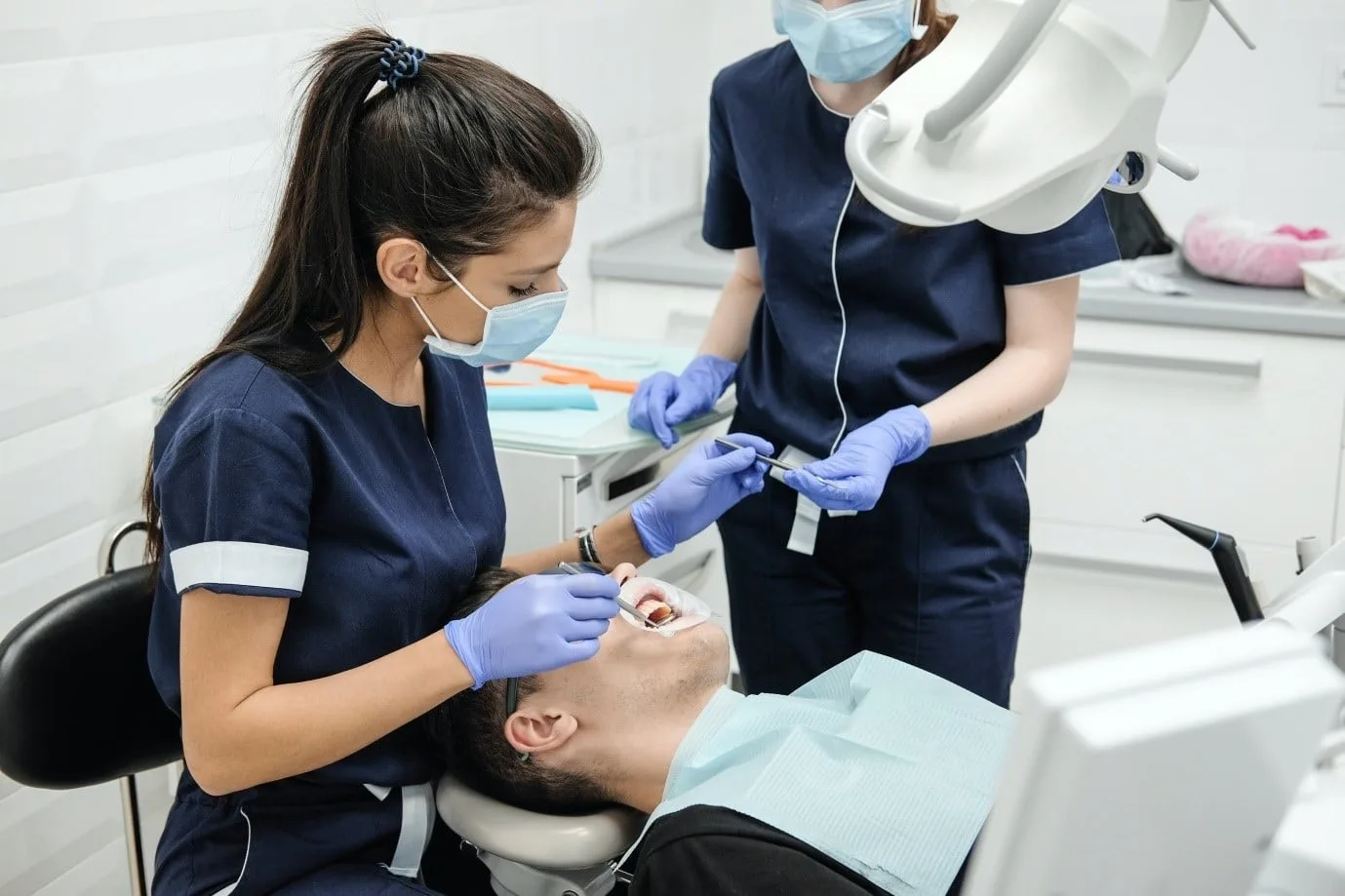
dentist bridge is a detailed dental evaluation. During your consultation, the dentist examines your teeth, gums, jawbone health, and overall oral condition. This assessment helps determine whether a dental bridge is the right option for your needs.
The dentist may take digital X-rays or scans to evaluate the supporting teeth and identify any hidden concerns. Strong and healthy supporting teeth are essential because they provide stability for the bridge. If the surrounding teeth require treatment, the dentist may recommend completing those procedures before placing the bridge.
Your dentist will also discuss your expectations, explain available bridge options, and answer questions about the procedure. This consultation allows you to understand every step and make an informed decision about your dental care.
What Types of Dentist Bridges Are Available?
Dentists offer different types of bridges depending on the location of the missing tooth, the condition of surrounding teeth, and your personal goals. Understanding these options can help you choose the best treatment.
A traditional dental bridge is the most common type. It uses crowns placed over the neighboring teeth to support the artificial tooth. This option works well when you have strong natural teeth on both sides of the gap.
A cantilever bridge is used when only one supporting tooth is available. Although less common, it can be suitable in specific situations where additional support is not needed.
A Maryland bridge uses a framework attached to the back of nearby teeth. This option usually requires less alteration of natural teeth and is often considered for replacing front teeth.
An implant-supported bridge uses dental implants instead of natural teeth for support. This option provides excellent stability and can be a long-lasting solution for multiple missing teeth.
Your dentist will recommend the most suitable type based on your oral health and smile requirements.
What Happens During the Dentist Bridge Preparation Process?
Once you decide to move forward with treatment, the dentist begins preparing your teeth for the bridge. For a traditional bridge, the supporting teeth are carefully reshaped to create space for dental crowns. The dentist removes a small amount of enamel so the crowns can fit securely.
After preparation, the dentist takes impressions or digital scans of your teeth. These measurements help create a customized bridge that fits comfortably and blends naturally with your smile. The dental laboratory uses this information to design a bridge that matches the color, shape, and size of your existing teeth.
While your permanent bridge is being created, your dentist may place a temporary bridge to protect your teeth and help you maintain normal activities.
How Is the Permanent Dentist Bridge Placed?
When your customized bridge is ready, you will return to the dental office for placement. The dentist removes the temporary restoration and carefully checks the permanent bridge for proper fit, comfort, and appearance.
The dentist evaluates your bite to ensure your teeth come together correctly. If adjustments are needed, the bridge is modified before final placement. Once everything fits properly, the dentist securely attaches the bridge using strong dental materials.
The completed bridge restores the appearance of your smile and allows you to chew and speak more comfortably. With proper care, a quality dental bridge can provide reliable results for many years.
How Long Does Recovery Take After Getting a Dentist Bridge?
Recovery after a dentist bridge procedure is usually simple and manageable. Some patients may experience mild sensitivity or discomfort around the treated teeth, but these effects typically improve within a short time.
Your dentist may recommend avoiding extremely hard foods immediately after placement while your mouth adjusts to the new restoration. Maintaining good oral hygiene is important because bacteria and plaque buildup around the bridge can affect its longevity.
Regular brushing, flossing, and dental checkups help keep your bridge and surrounding teeth healthy. Your dentist may also show you special cleaning techniques to remove debris from areas that are difficult to reach.
What Are the Benefits of Choosing a Dentist Bridge?
A dental bridge provides several advantages for patients with missing teeth. It improves smile appearance by filling unwanted gaps and creating a more complete look. Many patients also experience better chewing ability and improved speech after replacing missing teeth.
A bridge can also protect your remaining teeth by maintaining proper alignment. When missing teeth remain untreated, nearby teeth may gradually shift, causing bite problems and uneven pressure.
Compared with some other restorative options, a dentist bridge offers a faster treatment process while delivering natural-looking results. With professional care and regular maintenance, bridges can become a valuable part of long-term oral health.
How Can You Care for Your Dentist Bridge After Treatment?
Taking care of your dental bridge helps extend its lifespan. Brush your teeth twice daily with fluoride toothpaste and clean carefully around the bridge area. Flossing under and around the bridge removes trapped food particles and reduces the risk of gum problems.
Avoid chewing very hard objects, such as ice or hard candies, because excessive pressure may damage the restoration. Visiting your dentist regularly allows early detection of any issues and keeps your smile healthy.
Maintaining a balanced diet and practicing good oral habits also support the health of your natural teeth, which help keep the bridge stable.
Why Should You Consider Professional Dentist Bridge Treatment?
Replacing missing teeth is an important step toward improving both your oral health and confidence. A professionally placed dentist bridge can restore your smile, support proper chewing, and prevent future dental complications.
Choosing an experienced dental provider ensures that your treatment is planned carefully and completed with attention to detail. Edge Dental provides comprehensive dental solutions designed around patient comfort, safety, and long-term results.
If you are considering replacing missing teeth, scheduling a consultation can help you explore whether a dental bridge is the right choice for your smile. A personalized treatment plan can help you achieve a healthier and more confident appearance.