July 7, 2026
How Do You Start Basement Flood Clean Up Safely?
1.3k
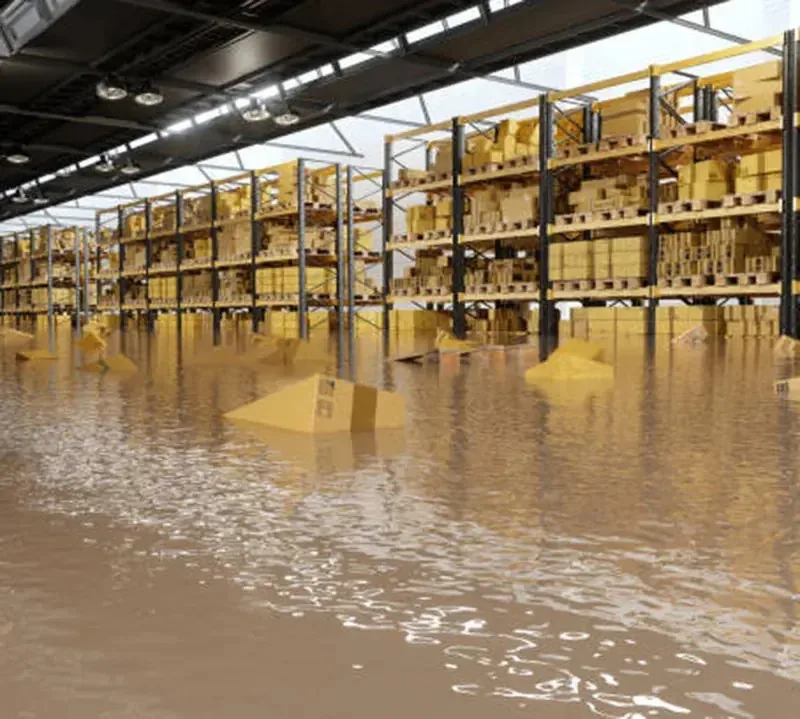
Basement flood clean up is critical because standing water can quickly damage your property and create serious health risks. When water enters your basement, it seeps into walls, flooring, and furniture. If you delay action, mold and bacteria begin to grow within 24 to 48 hours. This growth can affect indoor air quality and lead to respiratory issues.
You must act quickly to prevent structural damage and costly repairs. Immediate emergency flood cleanup also helps reduce long-term restoration expenses. Many homeowners underestimate the importance of starting the process safely, but proper steps protect both your home and your health.
What Safety Precautions Should You Take Before Starting Basement Flood Clean Up?
Before you begin basement flood clean up, you must prioritize safety. Floodwater often contains contaminants such as sewage, chemicals, and debris. Entering without precautions can expose you to serious hazards.
Start by turning off electricity in the affected area. Water and electricity create a dangerous combination that can lead to electrocution. Wear protective gear such as rubber boots, gloves, and masks to avoid direct contact with contaminated water. If the water level is high, avoid entering the basement until professionals assess the situation.
Proper ventilation is also essential. Open windows and doors to allow fresh air to circulate. This step reduces moisture levels and prevents the buildup of harmful gases. Following these precautions ensures that your emergency flood cleanup process begins safely and efficiently.
How Do You Remove Standing Water During Basement Flood Clean Up?
Removing standing water is the first major step in basement flood clean up. You can use a sump pump, wet vacuum, or buckets depending on the water level. For severe flooding, professional-grade equipment provides faster and more effective results.
Start by draining water gradually. Removing water too quickly can cause pressure imbalance, leading to cracks in basement walls. Work in stages and monitor structural stability as you proceed. If you notice any signs of damage, stop immediately and seek expert assistance.
Efficient water removal reduces the risk of mold growth and speeds up the drying process. Many homeowners rely on emergency flood cleanup services for faster water extraction and safer handling of contaminated water.
How Can You Dry and Dehumidify Your Basement Effectively?
After removing water, drying your basement becomes the next priority. Moisture left behind can lead to mold growth and unpleasant odors. Use fans, dehumidifiers, and proper ventilation to eliminate excess moisture.
Position fans strategically to improve airflow across walls and floors. Dehumidifiers help extract moisture from the air, speeding up the drying process. You should also remove wet carpets, furniture, and insulation to prevent further damage.
Consistent monitoring is important during this stage. Check humidity levels regularly and continue drying until the space is completely moisture-free. Effective drying ensures that your basement flood clean up process delivers long-lasting results.
What Items Should You Clean, Disinfect, or Discard After a Flood?
Floodwater can contaminate many household items. During basement flood clean up, you must carefully evaluate what can be saved and what should be discarded. Porous materials such as carpets, mattresses, and upholstered furniture often absorb contaminated water and may not be safe to reuse.
Clean non-porous items with disinfectants to eliminate bacteria and germs. Scrub surfaces such as walls, floors, and shelves thoroughly. Use strong cleaning solutions to ensure proper sanitation.
Discard items that show signs of mold or severe damage. Keeping contaminated materials can compromise your health and undo your
emergency flood cleanup efforts. Proper cleaning and disposal play a crucial role in restoring a safe living environment.
How Do You Prevent Mold Growth After Basement Flood Clean Up?
Mold prevention is a key goal of basement flood clean up. Mold thrives in damp and humid conditions, making basements particularly vulnerable after flooding. To prevent mold, you must act quickly and maintain a dry environment.
Ensure complete drying of all surfaces and materials. Use dehumidifiers to keep humidity levels below 50 percent. Regularly inspect hidden areas such as behind walls and under flooring for signs of moisture.
Applying mold-resistant treatments can add an extra layer of protection. Early prevention measures save you from expensive remediation and health complications. Many emergency flood cleanup experts recommend routine inspections even after the cleanup process is complete.
When Should You Call Professionals for Emergency Flood Cleanup?
While minor flooding may be manageable, severe cases require professional help. You should call experts if the water level is high, contamination is present, or structural damage is visible. Professionals use advanced equipment and techniques to handle complex situations safely.
Companies like Ideal Response provide specialized emergency flood cleanup services. Their trained teams ensure thorough water removal, drying, and sanitation. Professional assistance not only speeds up the process but also reduces the risk of future issues.
If you feel unsure about handling any step, it is always better to rely on experts. Safety and efficiency should remain your top priorities during basement flood clean up.
How Can You Prepare for Future Basement Flood Incidents?
Prevention is always better than repair. After completing basement flood clean up, take steps to protect your home from future flooding. Install a sump pump and ensure proper drainage around your property. Seal cracks in walls and foundations to prevent water entry.
Regular maintenance of gutters and downspouts also helps direct water away from your home. Consider installing water alarms to detect early signs of flooding. These measures reduce the chances of recurring issues and minimize the need for emergency flood cleanup.
Homeowners who invest in preventive solutions save time, money, and stress in the long run. Reliable services like Ideal Response can also guide you on effective flood prevention strategies.
What Are the Key Takeaways for Safe Basement Flood Clean Up?
Starting basement flood clean up safely requires careful planning and immediate action. Always prioritize safety by turning off electricity and wearing protective gear. Remove standing water efficiently and dry the area thoroughly to prevent mold growth.
Clean and disinfect all affected items, and discard anything that poses a health risk. Do not hesitate to call professionals for severe cases. Finally, take preventive measures to avoid future flooding incidents.
By following these steps, you can handle basement flood clean up effectively and protect your home from long-term damage. A well-executed emergency flood cleanup process ensures a safe, clean, and healthy living environment for you and your family.