


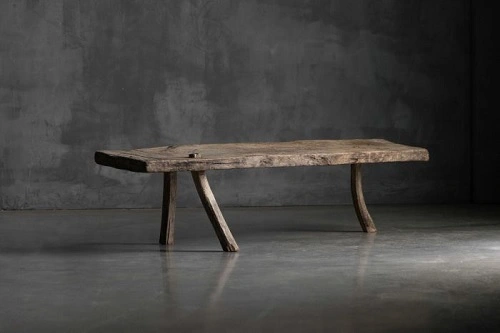
The world of collectible furniture continues to evolve, yet certain design movements and legendary creators remain permanently influential. From minimalist craftsmanship to sculptural seating, today’s luxury interiors are deeply inspired by the masters of twentieth-century innovation. Collectors, architects, and interior enthusiasts increasingly seek pieces that combine history, craftsmanship, and artistic value. This renewed appreciation has elevated iconic styles such as Mid-Century Design and rare European craftsmanship into the center of contemporary interiors.
One of the reasons these furnishings continue to dominate the luxury market is their balance between beauty and usability. Unlike temporary design trends, vintage-inspired furniture offers lasting relevance. Whether featured in private residences, boutique hotels, or curated galleries, these timeless works demonstrate how thoughtful construction can transform a space into a cultural statement. Brands like goldwoodbyboris understand the growing demand for collectible furniture that reflects authenticity and artistic heritage.
Among the most admired movements in luxury interiors is Brazilian Design, celebrated for its warm materials, organic forms, and sophisticated craftsmanship. Designers from Brazil became internationally recognized for combining modernist structure with tropical elegance. Rich hardwoods, sculpted seating, and fluid silhouettes created a unique identity that still influences premium furniture collections today. The beauty of this movement lies in its ability to blend comfort with artistic expression, making every piece feel both luxurious and inviting.
Equally influential is the work of Pierre Chapo, whose handcrafted wooden furniture remains highly collectible decades after its creation. His philosophy centered on simplicity, durability, and natural materials. Chapo’s pieces often showcase exposed joinery and geometric precision, proving that craftsmanship itself can become decoration. Modern collectors admire his work because it feels honest and architectural while maintaining warmth and functionality. His designs continue to inspire contemporary furniture makers who value artisanal techniques over mass production.
Another legendary figure who transformed modern interiors is Charlotte Perriand. Her approach combined practicality with elegance, creating interiors that embraced comfort without sacrificing sophistication. Perriand believed furniture should support everyday living while maintaining artistic integrity. Her collaborative work with other modernist pioneers helped redefine the relationship between architecture and furniture. Today, her influence can be seen in minimalist interiors that prioritize clean lines, adaptable layouts, and timeless materials.
The growing appreciation for Functional Art has further elevated collectible furniture within luxury design culture. Furniture is no longer viewed simply as an object of utility; it is increasingly recognized as sculpture with purpose. Collectors seek pieces that serve practical needs while also acting as visual statements. This intersection between design and art has expanded the value of rare furniture in global markets, particularly among buyers who appreciate craftsmanship and originality.
Few designers embody industrial elegance as effectively as Jean Prouvé. Known for his engineering background, Prouvé created furniture that combined structural innovation with refined aesthetics. His work often featured metal frames paired with wood components, emphasizing strength, simplicity, and efficiency. Many contemporary industrial-style interiors borrow heavily from his visual language, proving his enduring impact on architecture and furniture design alike.
Italian creativity also plays a major role in collectible furniture history. The visionary partnership of Afra & Tobia Scarpa introduced a softer, more human-centered modernism that balanced craftsmanship with innovation. Their furniture designs often emphasized texture, proportion, and comfort while maintaining clean architectural lines. The couple’s work remains admired for its understated elegance and exceptional attention to detail.
Similarly, Mario Bellini revolutionized modern seating through bold experimentation and luxurious comfort. His designs challenged traditional ideas about form and structure, leading to pieces that felt relaxed yet visually powerful. Bellini’s influence remains especially strong in contemporary lounge furniture, where comfort is considered equally important as aesthetics.
One of Bellini’s most celebrated creations, the Camaleonda, has become a global symbol of modular luxury seating. Originally introduced in the 1970s, the sofa remains highly sought after because of its adaptability and sculptural appearance. The modular concept allows users to customize layouts according to space and lifestyle needs, making it remarkably relevant for modern interiors. Its enduring popularity demonstrates how innovative design can transcend generations.
In the world of organic craftsmanship, Nakashima represents a philosophy rooted in nature and individuality. George Nakashima believed every slab of wood possessed its own character and story. His furniture celebrated natural imperfections, transforming raw materials into refined artistic statements. This respect for organic form continues to inspire modern designers who prioritize sustainability and authenticity in luxury furniture production.
Another iconic modernist figure, Pierre Jeanneret, remains highly influential among collectors and interior designers worldwide. His furniture, originally created for architectural projects in India, is admired for its simplicity, functionality, and handcrafted appeal. Jeanneret’s teak and cane designs have become staples in sophisticated interiors, blending seamlessly with both vintage and contemporary environments.

TAGS :


July 15, 2021
February 18, 2021

July 15, 2021

July 10, 2021