
March 5, 2026
Healing from Within: How the Autoimmune Diet and Aip Protocol Support Better Health
1.3k0
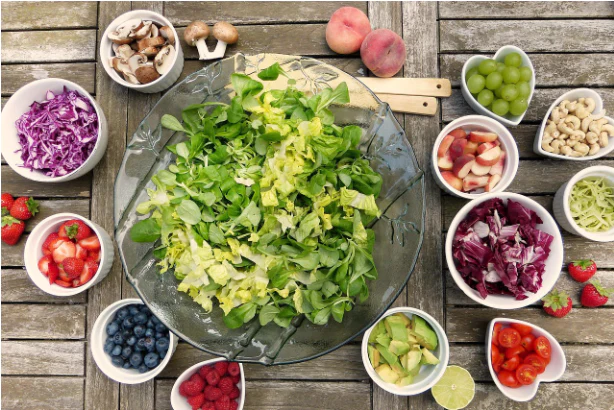
Autoimmune diseases affect millions of people worldwide and can significantly impact daily life. Conditions such as rheumatoid arthritis, lupus, Hashimoto’s thyroiditis, and inflammatory bowel disease often arise when the immune system mistakenly attacks the body’s own tissues. While medical treatment remains essential, many people are discovering that nutrition and lifestyle changes can play a powerful role in managing symptoms. Two approaches that have gained widespread attention are the Autoimmune Diet and the Aip Protocol.
Understanding how these dietary strategies work can help individuals make informed decisions about their health and potentially reduce inflammation, improve digestion, and enhance overall well-being.
Understanding Autoimmune Conditions
Autoimmune disorders occur when the immune system becomes overactive and begins to target healthy cells. This can lead to chronic inflammation, fatigue, joint pain, digestive issues, and a range of other symptoms depending on the specific condition. While genetics may increase susceptibility, environmental factors such as diet, stress, toxins, and infections can trigger or worsen autoimmune responses.
This is where nutrition becomes particularly important. Certain foods can either support immune balance or contribute to inflammation. By making strategic dietary adjustments, many individuals find they can better manage their symptoms and improve their quality of life.
What Is the Autoimmune Diet?
The Autoimmune Diet focuses on eliminating foods that commonly trigger inflammation while emphasizing nutrient-dense, whole foods that support immune health and gut healing. The primary goal of this diet is to calm the immune system and repair the digestive tract, which plays a major role in immune regulation.
This approach typically prioritizes foods such as:
- Fresh vegetables and fruits
- High-quality proteins like grass-fed meat and wild-caught fish
- Healthy fats such as olive oil and avocado
- Fermented foods that support gut bacteria
- Bone broth and collagen-rich foods
At the same time, the Autoimmune Diet encourages the temporary removal of foods that may trigger inflammation or digestive irritation, including processed foods, refined sugars, gluten, dairy, and certain additives.
By focusing on clean, nutrient-rich ingredients, this diet aims to reduce systemic inflammation and create an environment where the body can begin to heal.
What Is the Aip Protocol?
The Aip Protocol, also known as the Autoimmune Protocol, is a more structured and intensive version of the autoimmune diet approach. It involves an elimination phase followed by a gradual reintroduction phase to identify specific food triggers.
During the elimination phase of the Aip Protocol, foods commonly associated with inflammation are removed completely. These typically include:
- Grains
- Dairy
- Eggs
- Legumes
- Nightshade vegetables (such as tomatoes and peppers)
- Nuts and seeds
- Processed sugars and artificial additives
While this list may seem restrictive at first, the focus is on nutrient-dense alternatives such as vegetables, fruits, seafood, healthy fats, and high-quality meats. After a period of healing, foods are slowly reintroduced one at a time to determine which ones may trigger symptoms.
This personalized approach helps individuals understand how their bodies respond to different foods and allows them to create a long-term dietary plan tailored to their specific needs.
The Role of Gut Health
One of the core principles behind both the Autoimmune Diet and the Aip Protocol is the connection between gut health and immune function. Approximately 70 percent of the immune system resides in the gut, making digestive health a crucial factor in autoimmune disease management.
When the intestinal lining becomes compromised, often referred to as “leaky gut,” particles from food and bacteria can enter the bloodstream and trigger immune reactions. This may contribute to inflammation and autoimmune flare-ups.
By eliminating potentially irritating foods and prioritizing gut-supportive nutrients, these dietary approaches help restore the integrity of the gut lining and promote a balanced immune response.
Lifestyle Factors That Support Healing
Although nutrition is a powerful tool, managing autoimmune conditions often requires a comprehensive lifestyle approach. Adequate sleep, regular physical activity, stress management, and exposure to natural sunlight all contribute to immune balance.
Practices such as meditation, yoga, and gentle exercise can help reduce chronic stress, which is known to worsen inflammation. Hydration and mindful eating habits also support digestion and nutrient absorption.
Organizations like Autoimmune Health & Nutrition emphasize the importance of combining dietary strategies with sustainable lifestyle habits to achieve long-term wellness. By addressing the root causes of inflammation rather than only treating symptoms, individuals can build a stronger foundation for health.
Creating a Sustainable Path to Wellness
Starting the Autoimmune Diet or following the Aip Protocol can feel overwhelming initially, but many people find the benefits to be life-changing. Reduced joint pain, improved digestion, clearer skin, increased energy, and better mental clarity are just some of the improvements reported by individuals who adopt these strategies.
It’s important to approach these dietary changes gradually and seek professional guidance when possible. Personalized nutritional plans and proper support can make the transition smoother and more sustainable.
With the right knowledge, tools, and support, individuals living with autoimmune conditions can take meaningful steps toward improved health. Resources and guidance from Autoimmune Health & Nutrition help empower individuals to understand their bodies, make informed dietary choices, and embrace a balanced lifestyle that supports long-term healing.
- ADVERTISEMENT -

TAGS :


RECOMMENDED FOR YOU

What Is Included in the Agentforce Practice Exam?
June 17, 2026




EDITORS PICK

Web design industry future
July 15, 2021
Create Your Own Digital Library
February 18, 2021

The Next Revolution in the Accounting Industry
July 15, 2021

Flash games are the future
July 10, 2021