January 30, 2026
Ultimate Guide to Warehouse Management Systems, Inventory Management, and Procurement Software
1.3k
Efficient management of warehouses, inventory, and procurement is the backbone of successful businesses, particularly those in retail, manufacturing, or e-commerce. Modern companies rely heavily on warehouse management systems (WMS), inventory management software, and procurement software to streamline operations, reduce costs, and improve customer satisfaction. This guide explores the essential tools, features, benefits, and trends in warehouse and inventory management, helping businesses select the best inventory management software for their needs.
What is a Warehouse Management System (WMS)?
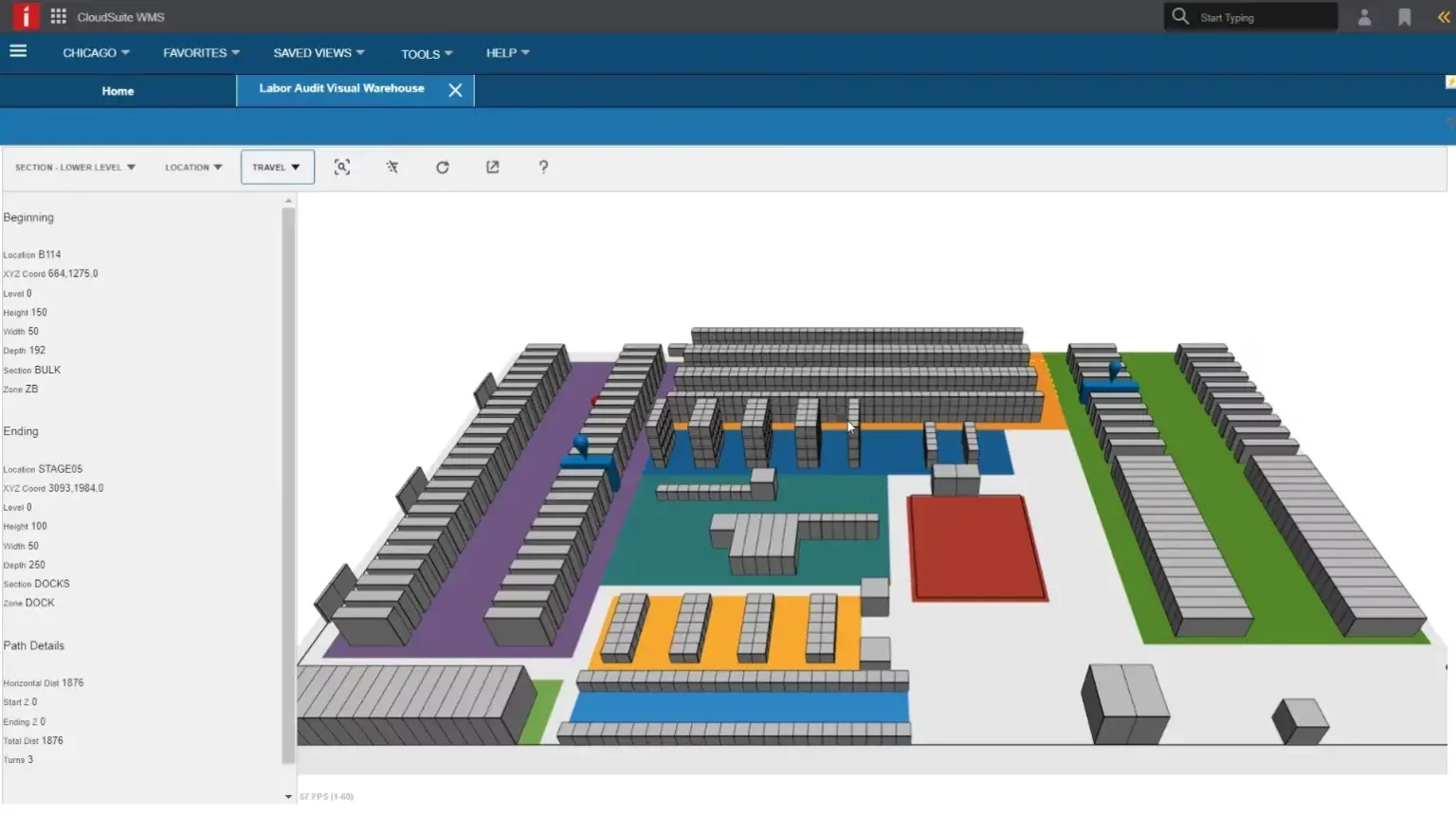
A warehouse management system (WMS) is a software solution designed to optimize the storage, movement, and tracking of goods within a warehouse. It allows businesses to manage every aspect of warehouse operations, from receiving and storage to order fulfillment and shipping.
Modern warehouse management software typically includes:
- Inventory Tracking: Real-time monitoring of stock across multiple locations.
- Order Fulfillment Management: Guides picking, packing, and shipping processes efficiently.
- Labor Management: Assigns tasks to warehouse staff based on workload and efficiency.
- Reporting and Analytics: Provides insights into warehouse performance and operational bottlenecks.
- Integration Capabilities: Works with ERP, accounting, shipping, and e-commerce systems.
By implementing a WMS, companies can minimize errors, improve inventory visibility, and ensure that warehouse operations are both faster and more accurate.
Benefits of Warehouse Management Software
Investing in warehouse management software delivers multiple benefits:
- Enhanced Inventory Accuracy: Real-time tracking reduces errors and improves stock reliability.
- Faster Order Fulfillment: Automated picking and packing processes accelerate shipments.
- Optimized Storage: Space utilization is maximized, reducing unnecessary overhead.
- Lower Operational Costs: Efficient workflows minimize labor and transportation costs.
- Scalable Operations: Advanced WMS solutions grow with your business, supporting multiple warehouses and large inventories.
Businesses that adopt WMS solutions gain a competitive edge, as operational efficiency translates directly to cost savings and improved customer experience.
Inventory Management Software: The Bigger Picture
While a WMS focuses on warehouse operations, inventory management software covers the broader supply chain. An inventory management system helps companies monitor stock levels, forecast demand, and make informed purchasing decisions.
Key features of inventory management software include:
- Real-Time Stock Visibility: Ensures you know exactly what products are available.
- Order Tracking: Monitors pending, backordered, and fulfilled orders.
- Demand Forecasting: Uses historical data to predict future inventory needs.
- Barcode Scanning and RFID Integration: Reduces manual errors during inventory counts.
- Automated Reordering: Triggers purchase orders when stock levels reach predetermined thresholds.
By using an effective inventory management system, businesses can reduce excess inventory, avoid stockouts, and improve resource allocation.
Selecting the Best Inventory Management Software
Choosing the best inventory management software requires careful consideration. Here are essential factors to guide your decision:
- Scalability: Software should accommodate business growth and increasing SKUs.
- Integration Capabilities: Seamless connection with ERP, WMS, e-commerce, and accounting systems.
- Ease of Use: Intuitive interfaces reduce training time and minimize mistakes.
- Reporting and Analytics: Advanced reporting allows for actionable insights and better forecasting.
- Automation Features: Streamlines repetitive tasks such as stock counting, reordering, and order processing.
- Customer Support: Reliable vendor support ensures minimal operational disruption.
Cloud-based solutions are increasingly popular for inventory management because they allow remote access, automatic updates, and enhanced security.
The Role of Procurement Software
A comprehensive approach to inventory and warehouse management is incomplete without procurement software. Procurement software automates purchasing, tracks supplier performance, and ensures timely replenishment of stock.
Core features of procurement software include:
- Purchase Order Management: Automates creation, approval, and tracking of orders.
- Supplier Management: Maintains supplier information, contracts, and performance metrics.
- Spend Analysis: Identifies cost-saving opportunities and monitors expenses.
- Approval Workflows: Ensures compliance with organizational policies.
- Integration with Inventory Systems: Maintains optimal stock levels by linking purchasing with real-time inventory data.
By combining procurement software with WMS and inventory systems, companies gain full visibility over supply chain operations, reducing costs and improving efficiency.
Integration: WMS, Inventory, and Procurement
The integration of warehouse management systems, inventory management software, and procurement software provides businesses with end-to-end operational visibility. Benefits of integration include:
- Unified Data: Inventory, orders, and procurement data are synchronized across departments.
- Reduced Stock Issues: Prevents overstocking or stockouts with automated reorder points.
- Streamlined Operations: Reduces manual data entry and improves workflow efficiency.
- Cost Management: Enhanced visibility identifies inefficiencies and cost-saving opportunities.
- Improved Forecasting: Consolidated data enhances demand prediction and procurement planning.
Integrated systems allow businesses to respond quickly to market changes, optimize warehouse performance, and improve customer satisfaction.
Key Features to Look for in Warehouse and Inventory Management Software
When evaluating warehouse management software or inventory management systems, certain features are non-negotiable:
- Real-Time Inventory Tracking: Ensures accurate stock data at all times.
- Automated Alerts and Notifications: Alerts for low stock, order delays, or overstock.
- Analytics and Reporting Tools: Tracks KPIs, inventory turnover, and order fulfillment rates.
- Mobile Accessibility: Empowers warehouse staff to update inventory on-the-go.
- Multi-Location Support: Manages multiple warehouses or store locations seamlessly.
- Security Features: Protects sensitive business data and access controls.
These features not only improve efficiency but also ensure operational accuracy and scalability.
Emerging Trends in Warehouse and Inventory Management
To stay competitive, businesses must adopt the latest trends in WMS and inventory management software:
- Cloud-Based Systems: Remote access, automatic updates, and reduced infrastructure costs.
- Artificial Intelligence (AI): Predicts demand, optimizes workflows, and detects inefficiencies.
- Automation and Robotics: Automated picking, sorting, and transportation reduce labor dependency.
- IoT Integration: Monitors inventory and warehouse conditions in real-time.
- Mobile and Handheld Devices: Improves productivity for warehouse staff through mobile apps.
- Sustainability Tracking: Helps companies reduce waste and monitor carbon footprint.
These technologies provide businesses with better control, reduce human error, and increase operational agility.
Steps to Implement the Right Software
Successful implementation of WMS, inventory management software, or procurement software involves careful planning:
- Identify Business Needs: Understand operational challenges like stock discrepancies, delays, or supplier inefficiencies.
- Set Budget Constraints: Evaluate both initial and recurring costs.
- Evaluate Features: Ensure the software meets essential operational requirements.
- Test Usability: Conduct trials to assess ease of use and training needs.
- Plan Integration: Ensure smooth compatibility with existing ERP, accounting, or e-commerce systems.
- Provide Training: Equip staff with the knowledge to use the system efficiently.
- Monitor and Optimize: Continuously track performance and make adjustments for maximum efficiency.
A structured approach ensures the business maximizes the ROI of its software investments.
Conclusion
In modern business, efficiency in warehouse operations, inventory management, and procurement is not optional—it is critical. Warehouse management systems (WMS) streamline warehouse operations, inventory management software ensures accurate stock levels, and procurement software optimizes purchasing processes.
Choosing the best inventory management software tailored to your operational needs can significantly reduce costs, improve accuracy, and enhance customer satisfaction. By integrating WMS, inventory management, and procurement software, businesses achieve end-to-end visibility, streamline operations, and make data-driven decisions that drive growth.
Adopting modern software solutions and staying abreast of emerging trends ensures businesses remain competitive in a rapidly evolving market. Efficiency, accuracy, and scalability are no longer just operational goals—they are strategic imperatives.