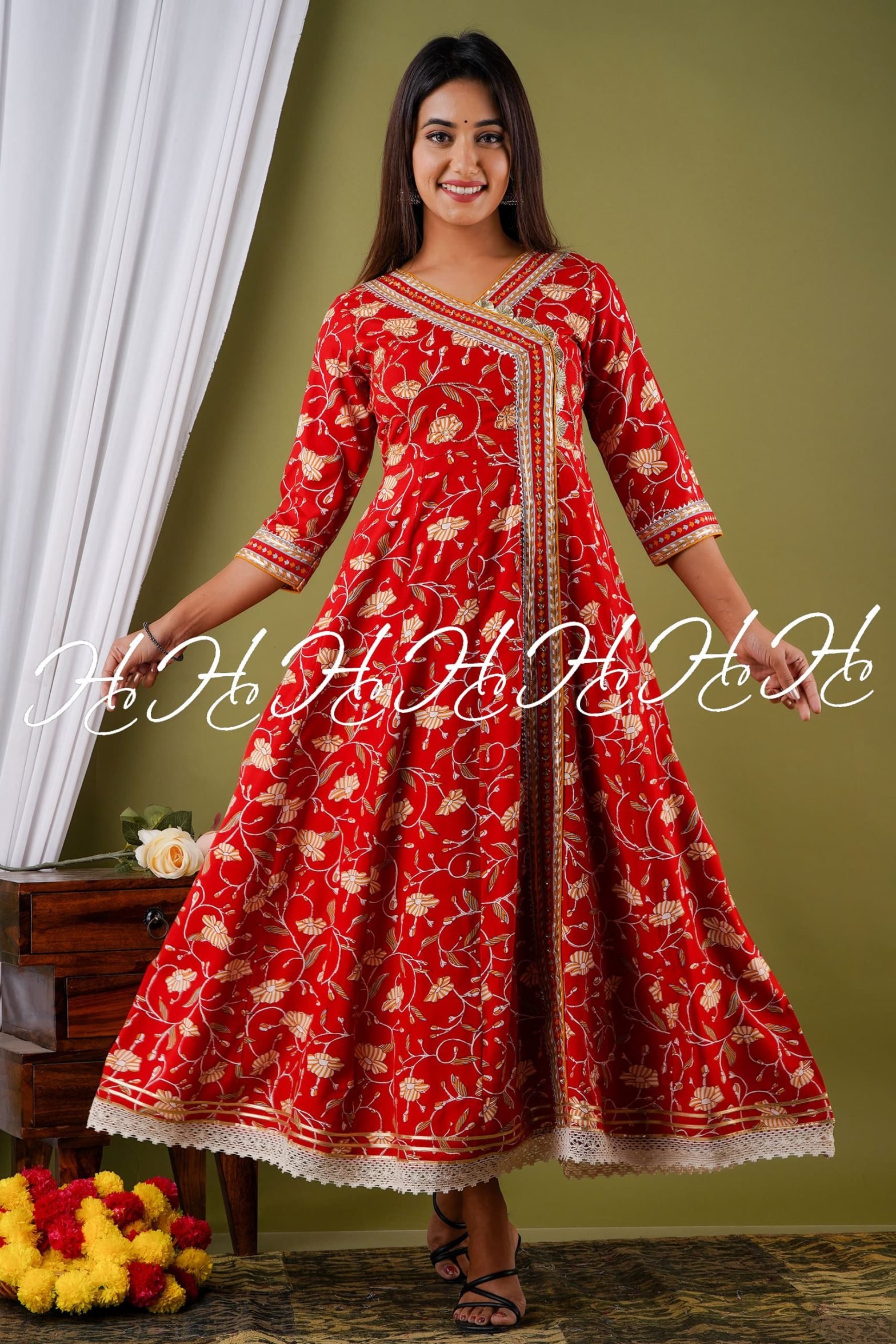
Can a Wholesale Kurti Manufacturer Handle International Shipping?
February 21, 2026

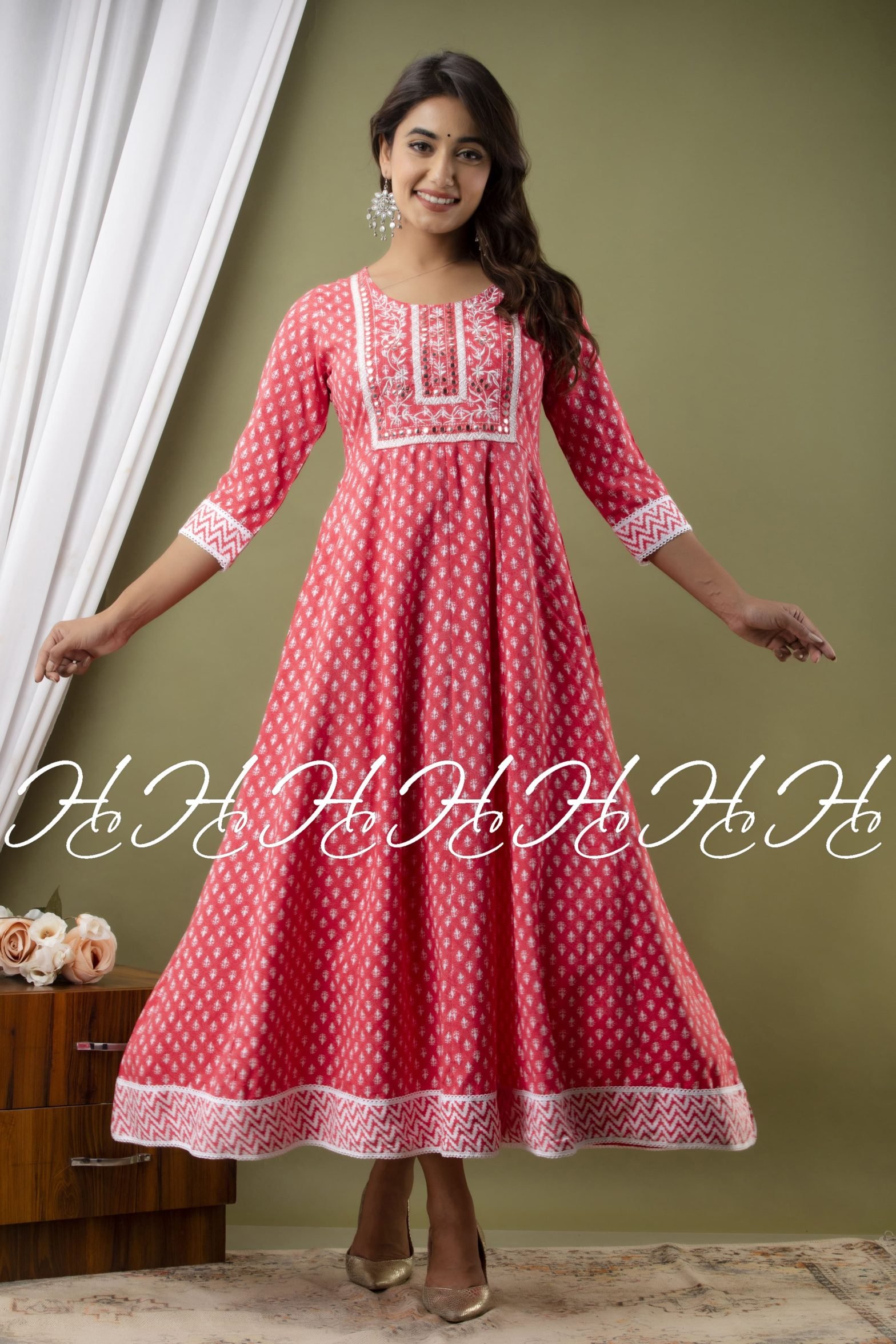
Understanding wholesale pricing is one of the most important steps for boutiques, retailers, and online sellers who want to build a profitable ethnic wear business. Anarkali kurtis remain a timeless favorite in the Indian fashion market, and sourcing them at the right price can directly impact your margins. If you are planning to work with an Anarkali kurtis supplier, it helps to know how pricing works, what factors influence costs, and how suppliers across India structure wholesale orders.
In India, wholesale prices for Anarkali kurtis usually start from ₹600 per piece and can go up to ₹3,500 or more per piece, depending on quality and design. Basic cotton Anarkali kurtis with minimal prints often fall on the lower end of the range. On the other hand, heavily embroidered, festive, or designer-style Anarkalis command higher prices.
A reliable anarkali kurtis supplier India typically offers tiered pricing. This means the price per piece reduces as your order quantity increases. For example, ordering 50 pieces may cost more per unit than ordering 200 or 500 pieces. Wholesale suppliers design this structure to reward bulk buyers and encourage long-term partnerships.
Several factors determine how much an Anarkali kurtis supplier charges for wholesale orders:
Fabric QualityFabric plays a major role in pricing. Cotton, rayon, and blended fabrics are more affordable, while georgette, chiffon, silk, and organza increase the cost. Premium fabrics not only look luxurious but also attract higher-end customers, which justifies the price.
Work and EmbellishmentSimple printed Anarkali kurtis cost less than those with zari, mirror work, sequins, hand embroidery, or thread work. Handcrafted detailing requires skilled labor, which directly increases wholesale pricing.
Design Complexity and LengthFloor-length Anarkali kurtis with multiple panels, heavy flares, and layered designs use more fabric and labor. Suppliers factor this into their pricing, especially when producing custom designs.
Order Quantity (MOQ)Most wholesale suppliers set a minimum order quantity, commonly between 20 to 50 pieces per design. Buyers who meet or exceed higher MOQs usually receive better per-piece rates.
India has several major kurti manufacturing hubs, including Jaipur, Surat, Delhi, Lucknow, and Kolkata. Jaipur is especially popular for Anarkali kurtis because of its traditional prints and craftsmanship. Suppliers from these regions compete closely, which helps buyers negotiate better rates.
When sourcing from the top 10 kurti manufacturers in India, you often get access to consistent quality, standardized pricing, and dependable delivery timelines. These manufacturers may charge slightly more than small local units, but they compensate with reliability, scalability, and professional business practices.
Many Anarkali kurtis suppliers offer customization options such as size sets, color changes, fabric upgrades, private labeling, and exclusive designs. While customization increases the final cost, it also allows retailers to stand out in a competitive market.
For example, adding custom branding or exclusive embroidery patterns may increase the per-piece cost by ₹100–₹500, depending on complexity. However, customized Anarkali kurtis often sell at a higher retail price, which improves overall profit margins.
Some suppliers in India specialize in export-quality Anarkali kurtis. These garments follow stricter quality checks, better stitching standards, and premium finishing. Wholesale prices for export-quality pieces are higher, but they appeal to international markets and premium domestic buyers.
If you plan to sell online or target urban customers, working with an export-focused anarkali kurtis supplier India can be a smart long-term investment.
Wholesale pricing is not limited to the per-piece cost. Buyers should also consider payment terms, taxes, packaging, and shipping charges. Most suppliers ask for an advance payment of 30%–50%, with the balance paid before dispatch.
Some suppliers include basic packaging in the price, while others charge separately. Transport costs vary based on distance and order size. Clarifying these details upfront helps avoid surprises later.
To secure competitive pricing, buyers should compare quotes from multiple suppliers, request samples, and discuss long-term collaboration options. Many suppliers offer better rates to repeat buyers or those willing to place seasonal bulk orders.
Building relationships with manufacturers from the top 10 kurti manufacturers in India also opens doors to early access to new collections and preferential pricing during peak seasons.
The cost of sourcing Anarkali kurtis at wholesale depends on fabric, design, order volume, customization, and supplier credibility. On average, buyers can expect flexible pricing that rewards bulk orders and long-term partnerships. By choosing the right anarkali kurtis supplier India, retailers can balance quality and cost while building a sustainable fashion business.

February 21, 2026
February 21, 2026
February 16, 2026
February 16, 2026


July 15, 2021
February 18, 2021

July 15, 2021

July 10, 2021