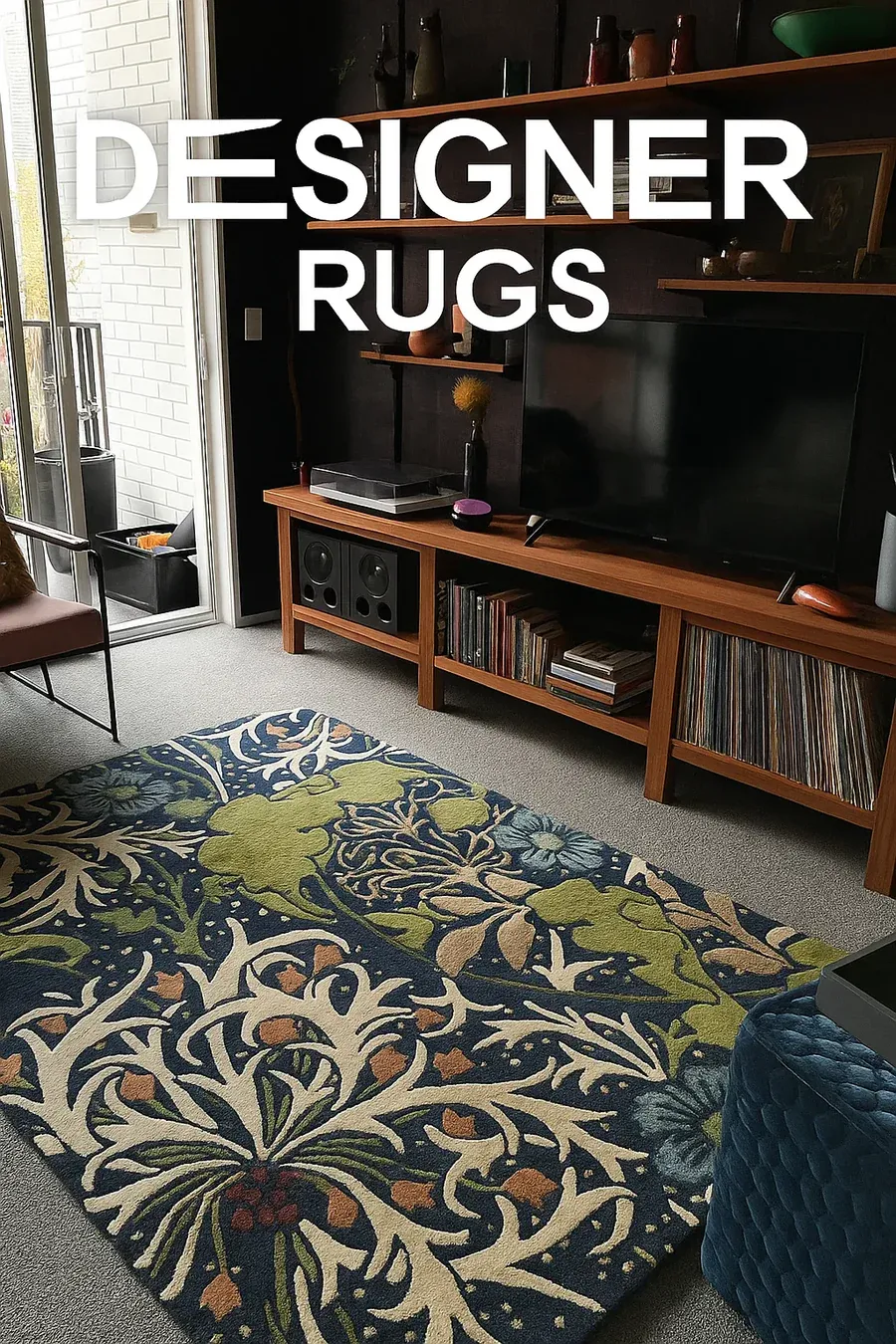

Design is a living narrative, constantly shaped by cultural values, environmental conditions, and technological progress. From the earliest expressions of folk art to the refined works of modern masters, each movement reveals a different way of understanding the relationship between people, objects, and space. What connects these diverse approaches is a shared intention: to create meaning through form, material, and function.
Folk art represents the beginning of this journey. It emerges from communities rather than institutions, shaped by tradition rather than theory. Every object—whether a woven textile, painted surface, or carved utensil—carries the imprint of its maker and the culture it belongs to. Folk art is deeply symbolic, often tied to rituals, beliefs, and daily life. It reminds us that design is not always about innovation; sometimes, it is about continuity and identity.
Vernacular design expands this idea into architecture and built environments. It is not guided by formal training or global trends but by necessity and local knowledge. Structures are designed to respond to climate, terrain, and available resources. Thick walls in hot climates, sloped roofs in snowy regions, and natural ventilation systems all demonstrate how vernacular design prioritizes comfort and efficiency. It is sustainable by nature, long before sustainability became a modern concern.
Alpine design is a distinctive expression of vernacular thinking, rooted in mountainous landscapes. It is characterized by a strong reliance on wood, both as a structural and decorative element. Interiors are warm and inviting, often featuring handcrafted furniture and detailed joinery. The aesthetic is practical yet comforting, designed to provide refuge from harsh weather. Alpine design reflects a deep understanding of place and the need for resilience.
Rural and rustic furniture share a similar philosophy. These pieces are grounded in simplicity, durability, and material honesty. Wood is often left untreated or minimally finished, allowing its natural grain and imperfections to stand out. Rather than striving for uniformity, rustic design embraces variation. Each knot, crack, or uneven surface adds character, telling a story of time and use. This approach creates a sense of authenticity that is difficult to replicate in mass production.
In contrast, the work of Dom Hans van der Laan introduces a more intellectual dimension to design. His exploration of proportion and spatial harmony led to the development of a unique system based on the “plastic number.” His designs are minimal and contemplative, focusing on balance rather than decoration. Van der Laan’s work demonstrates that simplicity can be deeply complex, requiring careful thought and precision.
The philosophy of Wabi-Sabi offers another perspective on simplicity. Rooted in Japanese culture, it celebrates imperfection, impermanence, and the passage of time. Objects are valued not for their flawlessness but for their authenticity. A chipped bowl or weathered surface becomes more beautiful as it ages. Wabi-Sabi encourages a slower, more mindful approach to design, one that appreciates subtlety and quiet elegance.
The Amsterdamse School represents a shift toward expression and individuality. Emerging in the Netherlands in the early 20th century, it is known for its sculptural architecture and intricate detailing. Buildings are dynamic and expressive, often featuring curved forms and elaborate brickwork. This movement highlights the emotional potential of design, showing that structures can evoke feeling as well as serve function.
Art Deco, which followed, brought a sense of glamour and modernity to design. It is characterized by bold geometry, rich materials, and a fascination with technology. Art Deco reflects a period of optimism and progress, particularly in urban environments. Its designs are striking and confident, embracing luxury and visual impact. This movement stands in contrast to the modesty of vernacular traditions, offering a more theatrical approach to aesthetics.
Mid-Century Design represents a return to simplicity, but with a focus on modern living. Emerging in the mid-20th century, it emphasizes clean lines, organic shapes, and functional efficiency. Designers sought to create objects that were accessible and practical, using new materials and production methods. This movement democratized design, making it available to a broader audience while maintaining a strong sense of style.
Brazilian design adds warmth and richness to modernist principles. By incorporating local materials such as tropical woods and natural fibers, it creates a more tactile and inviting aesthetic. Brazilian designers often blend modern forms with traditional craftsmanship, resulting in pieces that feel both contemporary and rooted in culture. This approach demonstrates the importance of context and identity in design.
Pierre Chapo’s work reflects a deep respect for craftsmanship and material integrity. His furniture is solid, structured, and built to last. Visible joints and simple forms emphasize the construction process, making the design itself part of the aesthetic. Chapo’s work bridges the gap between traditional woodworking and modern design, showing that the two can coexist harmoniously.
Charlotte Perriand brought a human-centered approach to modern design. She focused on creating environments that were comfortable, functional, and connected to nature. Her use of natural materials and open spaces reflects a desire to improve quality of life through design. Perriand’s work is both practical and poetic, balancing efficiency with a sense of warmth.
Functional art captures the essence of many of these ideas. It challenges the separation between art and utility, suggesting that everyday objects can be both useful and expressive. Whether handcrafted or industrially produced, functional art emphasizes creativity without compromising purpose. It is a reminder that beauty can exist in the most ordinary aspects of life.
Jean Prouvé approached design with a focus on structure and efficiency. His work often reflects an industrial aesthetic, with an emphasis on materials like steel and aluminum. Prouvé believed in the potential of mass production but maintained a strong commitment to quality. His designs are both practical and innovative, bridging the gap between engineering and art.
Afra and Tobia Scarpa contributed to the evolution of Italian design through their refined and thoughtful approach. Their work often combines luxurious materials with precise detailing, creating pieces that are both elegant and functional. They demonstrate how tradition and innovation can work together to create timeless design.
Mario Bellini represents a more contemporary perspective, exploring the possibilities of form and technology. His work spans multiple disciplines, from furniture to architecture, and often pushes the boundaries of conventional design. Bellini’s creations are adaptable and forward-thinking, reflecting the changing needs of modern life.
The Camaleonda sofa exemplifies flexibility and modularity. Its design allows for endless configurations, making it adaptable to different spaces and lifestyles. This approach reflects a shift toward personalization and versatility in design. The Camaleonda is not just an object but a system that evolves with its user.
George Nakashima’s work offers a deeply philosophical approach to furniture design. By preserving the natural edges of wood, he highlights the inherent beauty of the material. His pieces are both functional and artistic, encouraging a connection between people and nature. Nakashima’s philosophy aligns closely with the principles of Wabi-Sabi, emphasizing authenticity and respect for the natural world.
Pierre Jeanneret’s contributions highlight the importance of context in modern design. His furniture is simple, functional, and often made using local materials. By adapting modernist principles to specific environments, he created designs that are both universal and culturally relevant.
Together, these movements and figures illustrate the diversity and richness of design. They show how ideas evolve over time, influenced by culture, technology, and human need. From the handcrafted traditions of folk art to the innovative flexibility of modern design, each approach offers a unique perspective.
Ultimately, design is about more than objects; it is about experience. It shapes how we live, interact, and perceive the world around us. Whether through the warmth of rustic furniture, the elegance of Art Deco, or the adaptability of modular systems, design continues to respond to the ever-changing rhythms of life.

TAGS :

March 18, 2026


July 15, 2021
February 18, 2021

July 15, 2021

July 10, 2021