


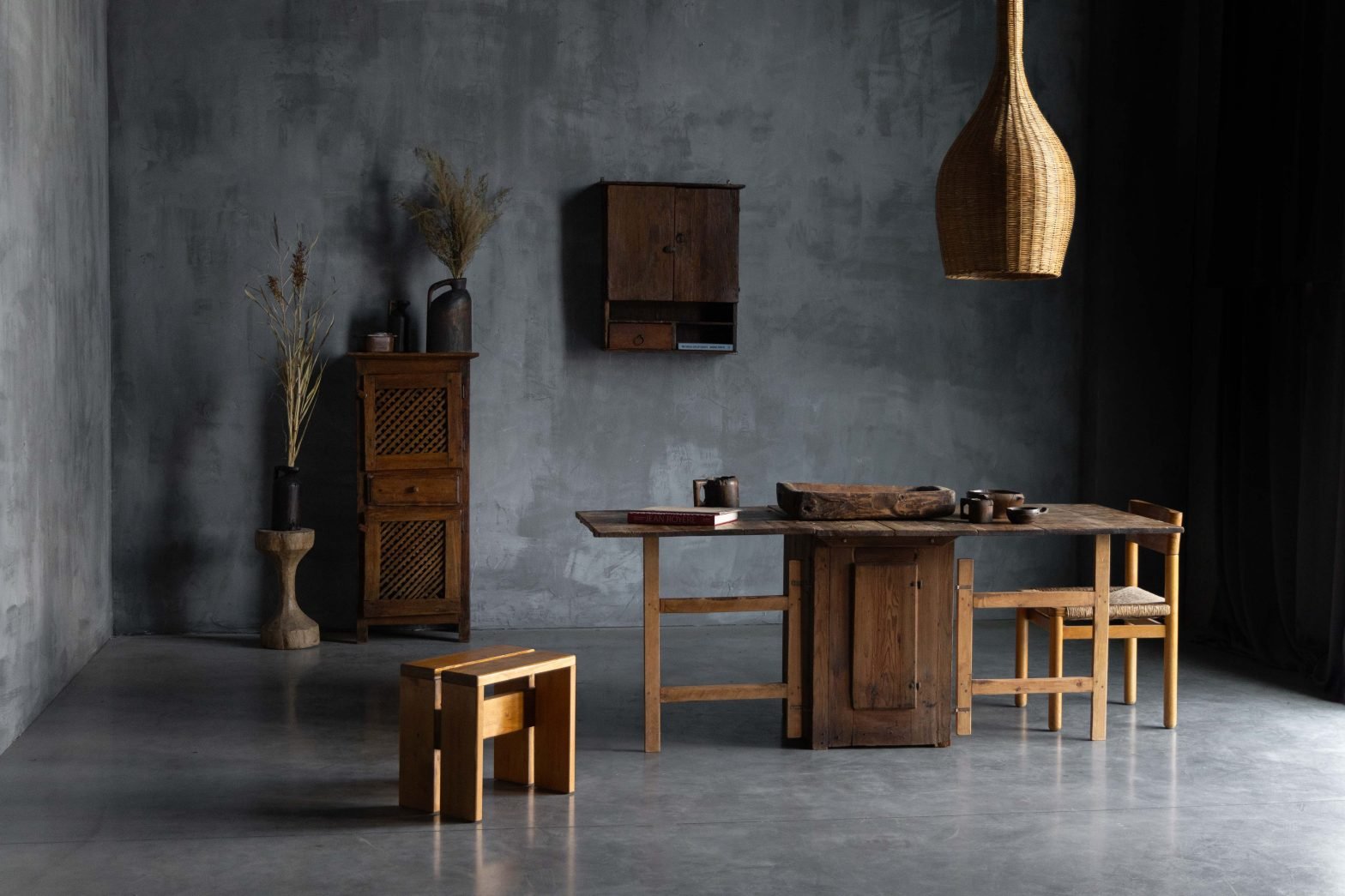
Design is a continuous dialogue between tradition and innovation. It reflects how people live, what they value, and how they interact with their surroundings. Across different regions and time periods, design movements and influential creators have shaped this dialogue in unique ways. From handcrafted traditions to modern industrial approaches, each style carries a deeper philosophy that goes beyond aesthetics.
Folk art is one of the earliest and most genuine expressions of creativity. It is created by communities, often without formal training, and reflects local customs, beliefs, and daily life. Every piece of folk art carries a story, making it more than just decoration. Its charm lies in its imperfections and individuality, offering a sense of authenticity that mass production cannot replicate.
Vernacular design is closely tied to this idea of authenticity. It is based on local needs, materials, and environmental conditions rather than formal design principles. Buildings and objects are created using traditional knowledge, resulting in solutions that are both practical and sustainable. Vernacular design teaches us how to work with nature rather than against it.
Alpine design reflects life in mountainous regions, where harsh climates demand durable and functional solutions. This style emphasizes warmth and comfort, using materials like wood, wool, and stone. Interiors often feel cozy and protective, with simple forms that prioritize usability. Alpine design highlights the importance of adapting design to environmental conditions.
Rural design shares similar values, focusing on simplicity and connection to nature. It embraces handcrafted elements, natural textures, and traditional construction methods. Rural spaces often feel welcoming and lived-in, reflecting a lifestyle that values comfort over perfection. This approach encourages a deeper appreciation for materials and craftsmanship.
Rustic furniture is an essential part of rural aesthetics. Made from solid, often reclaimed wood, these pieces celebrate the natural qualities of the material. Visible grains, knots, and irregular shapes add character and uniqueness. Rustic furniture brings warmth and a sense of grounding to interiors, making spaces feel more connected to nature.
Dom Hans van der Laan introduced a unique approach to architecture based on proportion and spatial harmony. His concept of the “Plastic Number” aimed to create a balance between dimensions that feels natural to human perception. His work is minimal but deeply thoughtful, focusing on how people experience space rather than how it looks.
Wabi-sabi, a Japanese philosophy, celebrates the beauty of imperfection and impermanence. It encourages acceptance of the natural cycle of growth and decay. In design, this translates to simple forms, natural materials, and an appreciation for aging and wear. Wabi-sabi creates calm, introspective spaces that contrast with the fast pace of modern life.
The Amsterdamse School represents a more expressive approach to design. Known for its sculptural architecture and intricate details, it combines traditional craftsmanship with bold creativity. Buildings in this style often feature dynamic forms and decorative elements, making them visually striking and unique.
Art Deco introduced a sense of luxury and glamour to design. Emerging in the early 20th century, it is characterized by geometric patterns, symmetry, and the use of rich materials like metal, glass, and exotic woods. Art Deco reflects a fascination with progress, technology, and modern living.
Mid-century design brought a more practical and accessible approach. It focuses on clean lines, functionality, and simplicity. Designers of this era embraced new materials and production methods, making good design available to a wider audience. The result is a timeless style that remains popular today.
Brazilian design adds warmth and cultural richness to modernism. It blends clean, modern lines with organic shapes and natural materials. Influenced by the country’s climate and lifestyle, Brazilian design often feels relaxed and inviting, combining elegance with comfort.
Pierre Chapo’s work is a testament to the beauty of craftsmanship. His furniture is made from solid wood, with a focus on structure and joinery. Each piece reflects a deep respect for the material, resulting in designs that are both strong and refined.
Charlotte Perriand was a pioneer in creating functional and human-centered designs. She believed that design should improve everyday life, and her work reflects this philosophy. By combining practicality with aesthetic appeal, she created spaces and objects that are both useful and beautiful.
Functional art challenges the idea that art and utility must be separate. It transforms everyday objects into meaningful creations while maintaining their purpose. This approach highlights the potential for creativity in even the most practical designs.
Jean Prouvé approached design from an engineering perspective. His work focuses on structure, efficiency, and industrial production. By using materials like steel and aluminum, he created designs that were innovative and forward-thinking, influencing modern architecture and furniture.
Afra and Tobia Scarpa brought a refined and experimental approach to design. Their work combines traditional craftsmanship with modern techniques, resulting in pieces that are both elegant and innovative. They explored materials in unique ways, creating designs with strong visual identity.
Mario Bellini is known for his versatility and human-centered approach. His designs prioritize comfort and usability while maintaining a strong aesthetic presence. From furniture to architecture, his work reflects a deep understanding of how people interact with design.
The Camaleonda sofa represents a breakthrough in modular design. Its flexible system allows users to rearrange components according to their needs, making it adaptable and dynamic. This concept has become increasingly relevant in modern interiors where flexibility is essential.
Nakashima’s work is deeply connected to nature. He believed that wood should be treated with respect and allowed to express its natural form. His furniture often features organic shapes and live edges, creating pieces that feel unique and alive.
Pierre Jeanneret made significant contributions to modernist design, particularly in large-scale architectural projects. His work emphasizes simplicity, durability, and the use of local materials. He demonstrated how design can respond to both functional needs and cultural context.
Together, these movements and designers illustrate the richness and diversity of design history. They show how different cultures and philosophies influence the way we create and experience our environments. From the handcrafted beauty of folk traditions to the precision of industrial design, each approach offers valuable lessons.
In today’s world, where sustainability and individuality are increasingly important, these ideas remain highly relevant. They encourage us to value craftsmanship, embrace simplicity, and design with intention. By drawing inspiration from these movements and creators, we can create spaces that are not only visually appealing but also meaningful and enduring.

TAGS :


July 15, 2021
February 18, 2021

July 15, 2021

July 10, 2021


